Vanishing Heat: The Race to Save Heirloom Chili Peppers Before They're Gone for Good
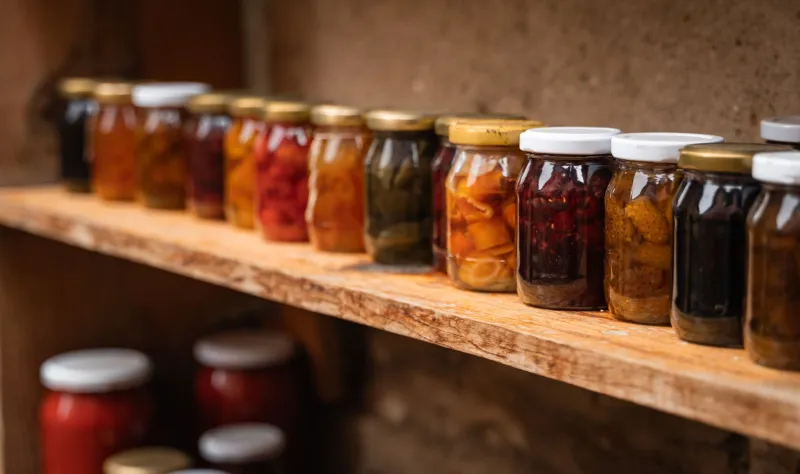
Somewhere in a climate-controlled room in New Mexico, a retired schoolteacher named Carol keeps over 200 seed packets in labeled paper envelopes, tucked inside a repurposed chest freezer. Each one represents a chili pepper variety she's spent decades tracking down — some from remote Mexican villages, some from aging farmers in the American Southwest, a few from online seed swaps that no longer exist. "Some of these," she says, "I'm the only person in the country growing them."
That's not a boast. It's a warning.
Across the US, a quiet but urgent movement is gaining steam among chiliheads, botanists, and small-scale farmers. The concern: an alarming number of heirloom and regionally specific chili pepper varieties are teetering on the edge of extinction. And unlike a species of bird or a patch of old-growth forest, once a seed line dies out, there's no bringing it back.
How We Got Here
For most of human history, farmers selected and saved seeds from their best plants year after year. Over generations, this produced an extraordinary diversity of chili peppers — each adapted to its local soil, climate, and cuisine. A pepper grown in a high-altitude Oaxacan village developed different heat compounds, different sugars, different cell structures than one cultivated in the coastal lowlands 200 miles away. That diversity wasn't just interesting. It was functional.
Then came industrial agriculture.
As commercial food production scaled up through the 20th century, the seed industry consolidated dramatically. Today, just a handful of corporations control the majority of commercial vegetable seed sales in the US. The varieties they sell are optimized for shelf life, uniform appearance, and mechanical harvesting — not flavor, heat complexity, or cultural heritage. The result is a narrowing of the genetic pool that plant scientists find genuinely alarming.
"We've already lost varieties we don't even know we've lost," says one pepper breeder based in California who's been working to document and preserve Southwestern chili lineages for over 15 years. "The ones we know about are the lucky ones."
Climate change is accelerating the problem. Traditional growing regions are experiencing longer droughts, unpredictable frost patterns, and soil degradation. Farmers who've grown the same regional pepper for three or four generations are finding the conditions that defined those varieties simply no longer exist in the same way. Some are switching to hardier commercial hybrids just to stay solvent. Others are giving up farming altogether.
The Varieties Most at Risk
So which peppers should chiliheads be paying attention to? Experts point to a few categories that are especially vulnerable.
Landrace varieties — peppers that evolved in a specific geographic region without human-directed breeding — are among the most threatened. The Chilhuacle Negro, certain wild forms of the Chiltepin found only in specific Arizona canyon ecosystems, and obscure regional variants of the Pasilla are all on the watchlist of serious seed savers. These aren't just culinary curiosities. They carry unique flavor profiles and heat signatures that simply don't exist in anything you'll find at a grocery store or even most specialty retailers.
Native American cultivars are another critical category. Several Pueblo communities in New Mexico have maintained distinct pepper lineages for centuries. Some of these are now being grown by fewer than a dozen families. Tribal seed sovereignty efforts are working to protect them, but the work is underfunded and underappreciated.
Immigrant heritage varieties also face quiet erasure. Peppers brought to the US by Vietnamese, Korean, Ethiopian, and Mexican immigrant communities — grown in backyard gardens for personal use and cultural connection — often exist entirely outside formal seed preservation systems. When the older generation stops gardening, those seeds frequently disappear with them.
Why It Matters Beyond the Garden
If you're thinking, "I just want good hot sauce, why should I care about seed diversity?" — fair question. Here's the answer.
Genetic diversity in crops is the agricultural equivalent of a backup drive. When a disease, a pest, or a climate shift devastates a monoculture crop, breeders turn to heirloom and wild varieties to find resistant traits. This isn't theoretical — it's happened repeatedly throughout agricultural history. The more variety we lose now, the fewer options we have when something goes wrong at scale.
Beyond the science, there's the flavor argument. Many of the most complex, interesting, and flat-out delicious chili peppers in the world are heirlooms. The smoky depth of a true Mulato Isleno, the citrusy brightness of a properly grown Aji Amarillo, the slow volcanic burn of a wild Chiltepin — these experiences exist because generations of farmers made deliberate choices to keep those seed lines alive. Letting them die is a culinary loss as much as a botanical one.
What Chiliheads Can Actually Do
Here's the good news: this is one conservation crisis where ordinary people can make a real difference, and you don't need a botany degree or a research grant to get involved.
Grow at least one heirloom variety this season. Organizations like the Seed Savers Exchange and Native Seeds/SEARCH offer access to hundreds of rare and heirloom pepper varieties that you won't find at any big box garden center. Even growing one plant in a container on your apartment balcony keeps a seed line alive for another generation.
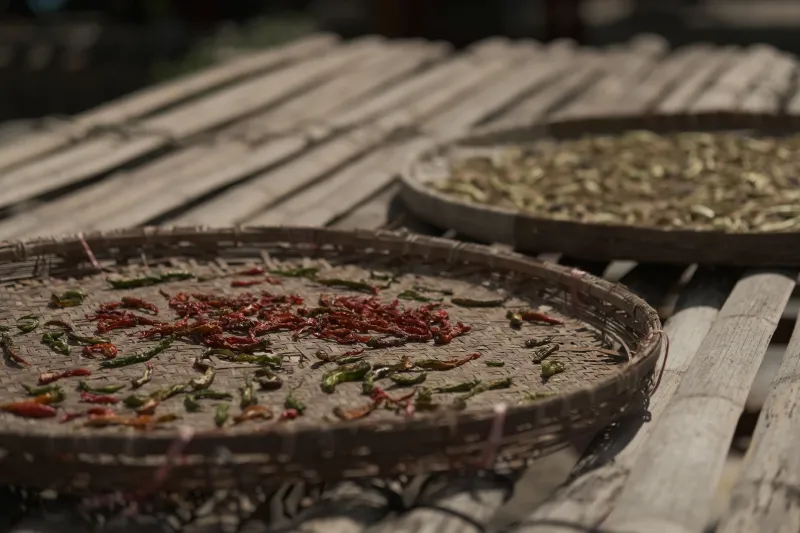
Learn to save seeds properly. It's not complicated, but it does require some attention. Peppers are mostly self-pollinating, which makes them relatively easy to save compared to some other vegetables. Dry your seeds thoroughly, store them in a cool dark place, and label everything. Seriously — label everything. Future you will be grateful.
Connect with your local seed library. Many public libraries and community gardens across the US now run seed lending programs. Some specifically focus on preserving regional and heirloom varieties. Depositing seeds from your successful grows is one of the most direct contributions you can make.
Support small-scale chili farmers and specialty seed companies. Every time you buy from a small operation that's growing unusual varieties — rather than defaulting to the same commercial hot sauce brands — you're voting with your wallet for diversity. That market signal matters.
Talk about it. Seriously. The chilihead community is passionate, connected, and loud. Seed preservation doesn't have to be a dry academic concern. Frame it the way it actually is: a fight to keep extraordinary flavors and heat experiences alive for future generations of fire lovers.
The Stakes Are Real
Carol, back in New Mexico, pulls out a small envelope and holds it up. Inside are seeds from a pepper she calls the "Red Canyon" variety — a small, intensely hot, fruity pepper she first found growing wild near a hiking trail in the 1990s. She's never been able to identify it in any catalog or database. It might be a landrace. It might be something older.
"If I stop growing this," she says, "it's gone. That's it. There's no museum you can go to. There's no archive. It just doesn't exist anymore."
For chiliheads who care about where their heat comes from — who obsess over flavor notes and origin stories and the way a particular pepper grown in particular soil tastes unlike anything else on earth — that should feel like a gut punch.
The good news is the pepper community has always been a little obsessive, a little DIY, and a lot passionate. Those are exactly the traits this moment calls for. Get growing.