Heat on a Budget: How to Build Your First Chili Pepper Collection Without Spending a Fortune
Everybody starts somewhere. Maybe you grabbed a bottle of hot sauce at the grocery store and suddenly realized you wanted more. Maybe you watched someone cook with a dried ancho and thought, "Wait, I've been missing out." However you got here, welcome — and good news: you don't need to spend a ton of money to get started with a genuinely impressive chili pepper collection.
The trick is knowing what to buy first, where to buy it, and how to stretch a small stash a long way. Let's break it all down.
Stop Thinking Fancy, Start Thinking Foundational
One of the biggest mistakes new chiliheads make is going straight for the exotic stuff — ghost peppers, aji amarillo, some rare Peruvian varietal they saw on a YouTube video. That's fun eventually, but it's not the move when you're starting out.
Your first collection should be built around peppers that pull double (and triple) duty in the kitchen. Think of them as flavor workhorses — things you'll actually reach for on a Tuesday night when you're making tacos or throwing together a quick stir-fry.
Here's a solid beginner lineup that covers a wide range of heat and flavor without overlapping too much:
- Ancho (dried poblano) — earthy, chocolatey, mild heat. The backbone of so many Mexican-American dishes.
- Guajillo — bright, slightly tannic, medium heat. Works beautifully in salsas, marinades, and braises.
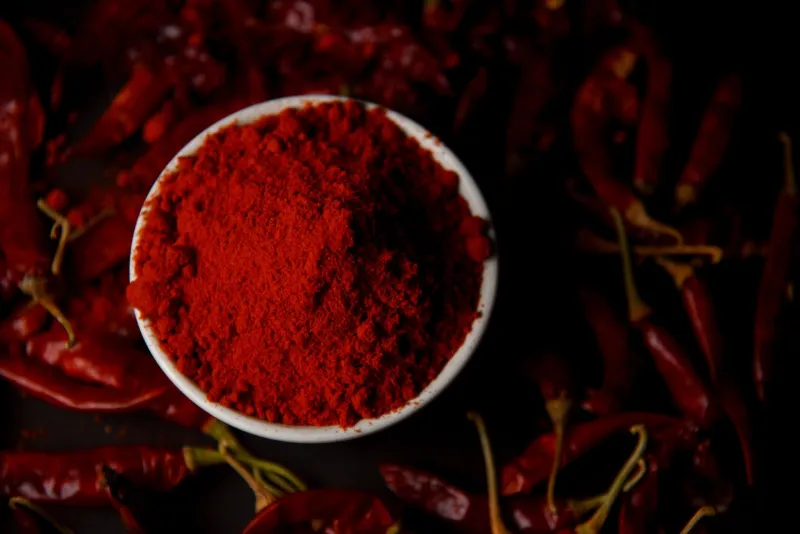
- Cayenne — the workhorse of everyday heat. Dried or powdered, it's cheap and reliable.
- Chipotle (dried or in adobo) — smoky, rich, and deeply savory. One can of chipotles in adobo costs about $2 and lasts a while.
- Crushed red pepper flakes — yeah, it's basic, but it's genuinely useful and dirt cheap in bulk.
- Árbol — small, fiery, and great for infusing oils or cranking up heat in soups and sauces.
That's six peppers. You could realistically stock all of them for under $25 if you shop smart — and with those six, you can make hundreds of distinct dishes.
What Does "Budget" Actually Look Like?
Let's get real about pricing, because vague reassurances don't help anyone.
Dried whole chilies are almost always cheaper per ounce than pre-ground powders or pre-made sauces. A 4-ounce bag of dried anchos from a Mexican grocery or an online spice retailer typically runs $3–$6. That bag might contain 10–15 peppers, each one capable of flavoring a pot of stew or a batch of enchilada sauce.
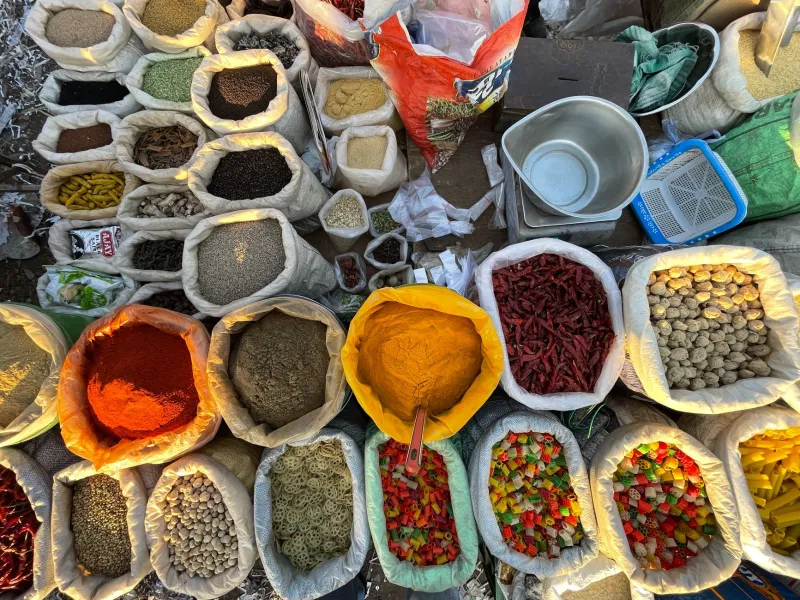
Comparison shop between your local Mexican or Latin grocery store (often the cheapest option for dried chilies), big-box stores like Costco or Restaurant Depot (great for bulk cayenne and red pepper flakes), and online specialty retailers. The internet is genuinely your friend here — you can often find 1-pound bags of dried guajillos or arbols for $8–$12, which will last a serious home cook several months.
Avoid the tiny spice jars at mainstream grocery chains when you can. You're paying for packaging and brand recognition more than you're paying for pepper.
Smart Shopping Strategies That Actually Work
Buy dried, not fresh — at first. Fresh peppers are great, but they have a short window and cost more. Dried chilies last 6–12 months when stored properly, they're more concentrated in flavor, and they're available year-round. Starting with dried is just the practical move.
Go bulk when something fits your cooking. If you cook a lot of Mexican food, you will go through anchos fast. Buying a pound at a time instead of a 2-ounce bag cuts your cost per ounce significantly. Just make sure you'll actually use it — bulk buying a pepper you've never cooked with is how you end up with a forgotten bag of mystery chilies in the back of your cabinet.
Seasonal buying matters more than people think. Late summer and early fall is prime fresh pepper season across most of the US. Farmers markets and farm stands often sell fresh chilies in bulk for drying or freezing at prices way below what you'd pay at a grocery store. A few pounds of fresh jalapeños or Hatch green chiles can be roasted and frozen for months of use.
Check out direct importers and specialty online retailers. There are small US-based companies that import dried chilies directly from Mexico, Peru, and other growing regions. The quality is often noticeably better than what's sitting on a grocery shelf, and the prices can be competitive when you factor in freshness and flavor concentration.
Getting Maximum Flavor From a Minimal Collection
Here's something the pepper world doesn't always tell beginners: technique matters as much as variety. You don't need 30 different chilies to cook with serious depth. You need to know how to handle the ones you have.
Toast your dried chilies before using them. A dry skillet over medium heat, 30–60 seconds per side, and suddenly a guajillo that smelled faintly musty transforms into something fragrant and complex. This single step changes everything.
Rehydrate whole dried peppers properly. Pour boiling water over them, let them soak 20–30 minutes, and then blend. The soaking liquid is flavor gold — use it in your sauce instead of plain water.
Layer your peppers. Use an ancho for base flavor, an árbol for heat, and a chipotle for smoke. Three peppers, one sauce, enormous complexity. This is how traditional Mexican cooking works, and it's a model worth stealing.
Make your own chili powder blend. Once you have three or four dried chilies in the house, toast them, grind them, and blend with a little cumin and garlic powder. The result makes store-bought chili powder taste like cardboard.
Where ChiliPilli Fits Into Your Journey
Building a collection is a process, not a one-time purchase. You'll try something, love it, want more. You'll discover that guajillos make your weeknight pasta sauce taste like something from a restaurant. You'll start buying árbol by the bag instead of the pinch.
The goal right now is to start — not to have everything. Pick three or four of the peppers on that starter list, spend $15–$20, and cook with them this week. The collection grows naturally from there, and before long you'll have a spice rack that actually reflects how you cook.
That's the real payoff. Not just heat for heat's sake, but flavor you built yourself, one smart purchase at a time.