Why the Smartest Home Cooks Are Ditching Blends and Building a Pepper Collection Instead
There's a certain kind of cook who can't walk past the bulk spice section without stopping. They'll pick up a bag of dried anchos, hold it up to the light, give it a squeeze, and nod — like they're approving a wine vintage. These people aren't chefs by trade. They're home cooks who got tired of letting somebody else make the decisions.
The trend is real, and it's picking up speed. Across the country, heat lovers are trading in their generic "chili powder" shakers and pre-mixed taco seasonings for something more intentional: a curated collection of single-varietal chili peppers they can blend themselves, dish by dish, depending on exactly what they're going for. Call it the chili pepper library. And once you start building one, it's pretty hard to stop.
What's Wrong With Pre-Mixed Blends Anyway?
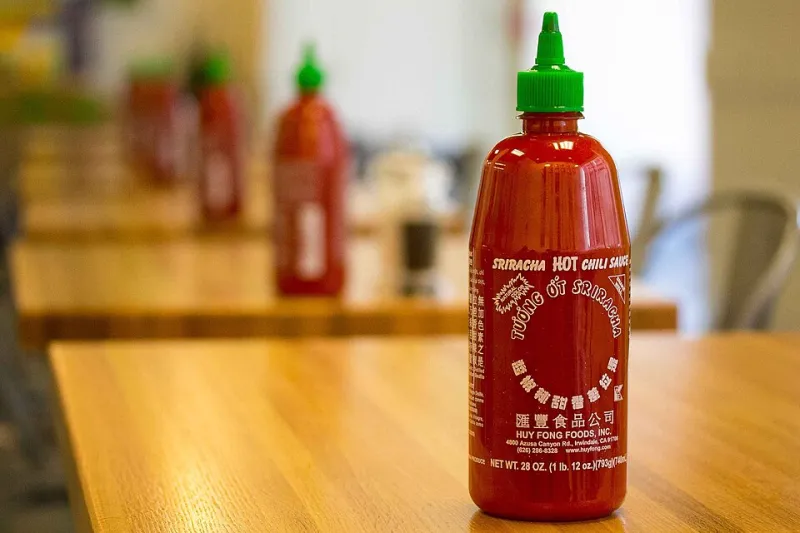
Nothing is catastrophically wrong with them, to be fair. A commercial chili powder blend will season your food. It'll add some heat, some color, some background warmth. But here's the thing — you have absolutely no idea what's in it, or in what proportions. The ratio of ancho to guajillo to cayenne was decided by someone in a product development meeting, not by you standing in your kitchen tasting a bowl of pozole and thinking about what it needs.
Pre-mixed blends are also notorious for inconsistency. The flavor profile of a grocery store chili powder can vary wildly from brand to brand, and even batch to batch. When you're building a dish around specific flavor notes — fruity, smoky, earthy, bright — that inconsistency becomes a real problem.
Single-varietal peppers, on the other hand, give you a known quantity. A dried mulato pepper tastes like a dried mulato pepper. A chipotle morita brings that specific smoky-sweet quality every single time. You learn what each one does, and then you start combining them with intention.
The Starter Peppers Worth Having on Hand
Building a pepper library doesn't mean you need fifty different varieties on day one. Most serious home cooks start with a core rotation and expand from there as their cooking evolves. Here's a solid foundation:
Ancho — The dried form of the poblano, anchos are mild, sweet, and deeply earthy with hints of dried fruit. They're the backbone of countless Mexican mole sauces and braises. If you only own one dried pepper, make it this one.
Guajillo — Bright red, slightly tannic, with a clean heat that doesn't linger too long. Guajillos add a sharp, almost berry-like brightness that cuts through rich dishes beautifully.
Chipotle (Morita or Meco) — Smoke is a flavor, full stop. Chipotles are smoked dried jalapeños, and the two main varieties — the smaller, fruitier morita and the earthier, more leathery meco — each bring something different. Learn which one you prefer.
Árbol — Small but ferocious. De árbol chilies bring a clean, almost grassy heat that builds fast. Use them sparingly to spike the heat level of a blend without muddying the flavor.
Pasilla — Dark, wrinkled, and deeply savory with notes of chocolate and dried herb. Pasillas add complexity and depth, especially in long-cooked sauces.
Cascabel — Round, nutty, with a mild to medium heat. The name means "rattle" in Spanish — shake one and you'll hear the seeds inside. A great supporting player in blends.
From this core six, you can build an enormous range of flavor profiles. The combinations are genuinely staggering once you start experimenting.
Treating Your Kitchen Like a Lab
This is where the real fun starts. Once you've got a few peppers in rotation, you begin to understand them as individual ingredients with distinct personalities — not just interchangeable "heat sources." You start asking different questions when you cook. Instead of "how spicy should this be?" you're asking "what kind of heat do I want, and what flavors should the heat be carrying?"
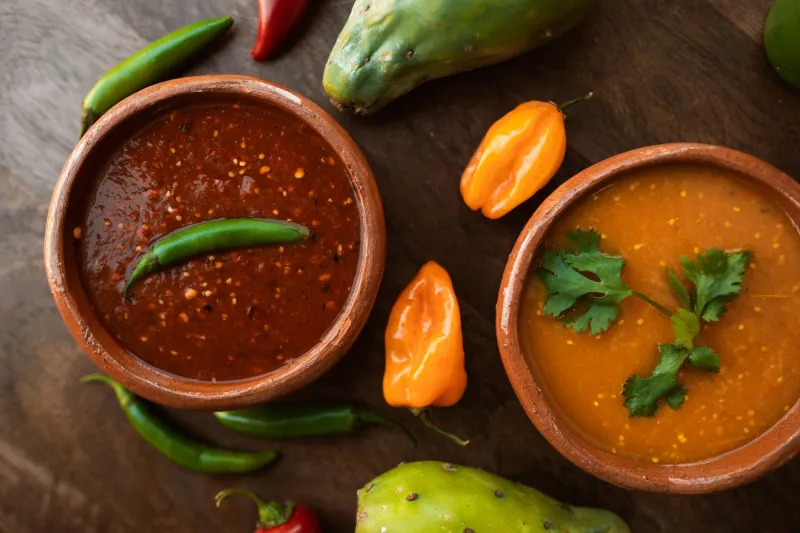
A slow-cooked beef chili might call for the rounded sweetness of ancho anchoring the base, the brightness of guajillo adding lift, and a couple of árbol peppers dropped in for a slow-building spike. A quick weeknight salsa might lean entirely on chipotles for smokiness, with a pasilla lending some earthy depth. These aren't decisions a pre-mixed blend can make for you.
Some pepper library devotees keep tasting notes — actual written records of which combinations worked for which dishes. Others just cook intuitively and adjust over time. Either approach works. The point is that you're in the driver's seat.
Storage and Sourcing: Keeping Your Library Fresh
Dried peppers have a shelf life, and it matters. A well-dried, properly stored pepper can hold onto its flavor for up to a year or more, but that assumes you're keeping them somewhere cool, dark, and away from moisture. Airtight containers in a pantry or cabinet beat those little zip-seal bags most peppers come in. Some cooks vacuum-seal their stash for longer-term storage.
Sourcing is equally important. The quality difference between a fresh, well-dried single-varietal pepper from a reputable supplier and whatever's been sitting in a grocery store bin for eighteen months is significant. Look for peppers that are pliable and aromatic — not brittle, dusty, or faded. Specialty Latin grocery stores often have excellent rotating stock. Online spice retailers and small farms have also made it easier than ever to source quality dried chilies without leaving your house.
At ChiliPilli, we'd obviously tell you to shop with intention and buy from people who can actually tell you where their peppers came from. That context — the variety, the region, the growing season — matters to the flavor in your bowl.
The Collector's Mindset
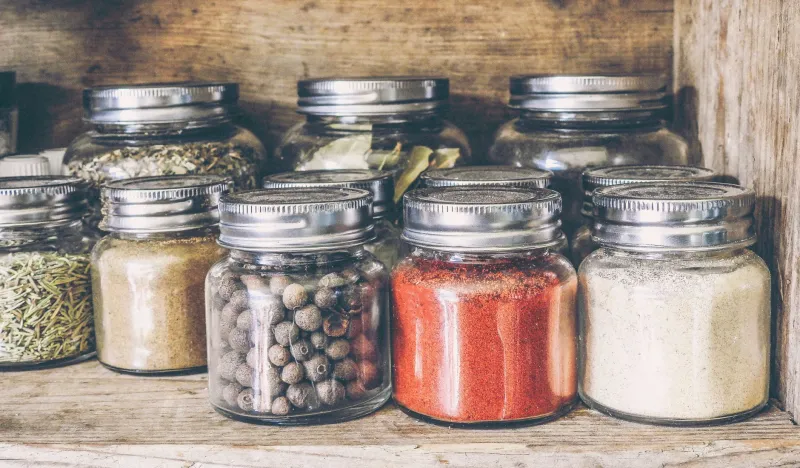
There's something genuinely satisfying about opening a cabinet and seeing a lineup of labeled jars, each one a different pepper, each one a different possibility. It's the same brain chemistry that makes people collect records or build a whiskey shelf. You're curating a toolkit, and every new addition expands what you're capable of making.
The cooks who go deepest on this tend to get curious about pepper origins — the difference between a New Mexico Hatch and a California-grown Anaheim, or why a Korean gochugaru tastes so different from a Turkish pul biber even though both are technically dried red peppers. That curiosity is exactly what ChiliPilli is here for.
Heat isn't just a sensation. It's a flavor system, and the people who understand that are building better food, one pepper at a time. Start your library. Your cooking will never look at a pre-mixed blend the same way again.