Same Pepper, Totally Different Fire: How Growing Conditions Shape Chili Flavor From the Ground Up
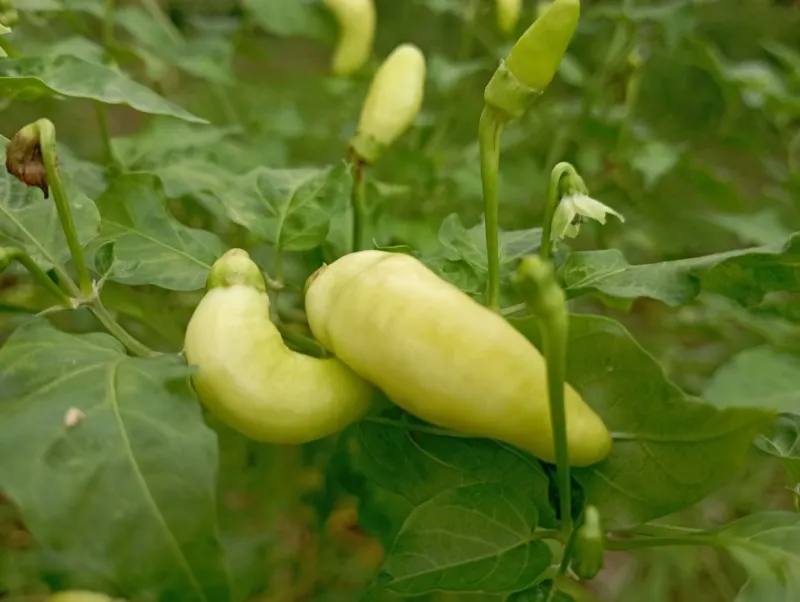
Pick up a habanero at your local grocery store and another from a small New Mexico farm stand, and you might genuinely wonder if you're holding the same pepper. One tastes bright, almost tropical — floral notes up front, citrus on the back end, a clean rolling heat. The other hits differently: earthier, deeper, with a smokiness that lingers. Same species. Same orange color. Wildly different experience.
That's terroir doing its thing.
Wine lovers have talked about terroir for decades — the idea that a grape's flavor is shaped by the land it grows in. But chili pepper growers, researchers, and serious heat enthusiasts have known for a long time that the same concept applies to capsicums. Where a pepper is grown doesn't just affect its size or color. It shapes the actual chemical compounds responsible for flavor, aroma, and even heat intensity.
What Terroir Actually Means for Chili Peppers
Terroir is a French term that loosely translates to "a sense of place." In agriculture, it refers to the combination of environmental factors — soil composition, altitude, climate, rainfall patterns, sun exposure, and more — that influence how a crop develops. For chili peppers, these factors interact in ways that are still being actively studied.
Dr. Paul Bosland, a pepper researcher at New Mexico State University and one of the country's foremost authorities on Capsicum genetics, has spent years documenting how environment shapes pepper chemistry. His work has shown that even genetically identical plants produce measurably different capsaicin concentrations depending on growing conditions. Stress factors like heat and drought can actually push capsaicin levels up, while cooler, wetter climates tend to mellow things out.
But heat level is just one piece of the puzzle. The flavor compounds in chili peppers — the esters, terpenes, and volatile aromatics that give each variety its personality — are equally sensitive to environmental conditions.
Soil: The Foundation of Flavor
Soil is where it all starts. The mineral content of the ground a pepper grows in directly affects the nutrients available to the plant, which in turn influences the compounds it produces.
Take the famous Hatch chile from New Mexico. Farmers in the Hatch Valley will tell you that the region's sandy loam soil — rich in volcanic mineral deposits from ancient geological activity — is a huge part of what makes their New Mexico green and red chiles taste the way they do. That particular mineral profile feeds the plant in a way that contributes to the earthy, slightly sweet, roasted-pepper flavor Hatch chiles are known for. Try growing the same NuMex variety in Florida's sandy coastal soil and you'll get a noticeably different result.
The pH level of soil matters too. Slightly acidic soils tend to promote different nutrient uptake than alkaline soils, and those differences ripple through the plant's chemistry all the way to the flavor compounds in the fruit.
Altitude and Climate: Stress as a Flavor Catalyst
High-altitude growing regions produce some of the world's most distinctive chili peppers, and it's not a coincidence. Peppers grown at elevation experience wider temperature swings between day and night, more intense UV radiation, and often lower humidity — all of which create a kind of productive stress for the plant.
The ají amarillo from Peru is a great example. Grown in the Andean highlands at elevations that can exceed 10,000 feet, this pepper develops a uniquely fruity, almost mango-like flavor that's nearly impossible to replicate when it's grown at sea level in a warmer climate. Peruvian growers and chefs will tell you flatly: ají amarillo grown elsewhere just isn't the same.
Closer to home, peppers grown in the high desert of New Mexico and southern Colorado benefit from similar dynamics. Intense summer sun drives sugar production in the fruit, while cool nights slow the plant's metabolism and allow flavor compounds to concentrate rather than burn off.
In contrast, peppers grown in hot, humid lowland climates — parts of Texas, Florida, or Louisiana — tend to develop faster and larger but often with less concentrated flavor. The conditions favor rapid growth over the slow chemical development that builds complexity.
Water: Too Much or Too Little Changes Everything
Rainfall and irrigation practices are another major variable. Pepper plants that experience mild water stress during fruit development often produce more intense flavors — a response the plant uses to attract seed-spreading animals and deter pests.
Farmers growing chilhuacles and mulato peppers in the Oaxacan highlands of Mexico deliberately manage irrigation to encourage this effect. The result is a dried pepper with a depth of flavor — dark fruit, chocolate, dried herbs — that's difficult to source from peppers grown under more generous watering conditions.
American craft pepper growers are starting to apply the same logic. Small farms in California's Central Valley and the Willamette Valley in Oregon have been experimenting with deficit irrigation on specialty pepper crops, intentionally dialing back water during key growth stages to push flavor intensity.
Harvest Timing: The Last Variable
Even after all the growing conditions have done their work, harvest timing can shift a pepper's flavor profile dramatically. Peppers picked early — still green or just beginning to turn — carry higher levels of chlorophyll-related compounds and sharp, grassy notes. Let them ripen fully on the plant and the flavor softens, sweetens, and deepens as sugars develop and aromatic compounds transform.
This is especially noticeable with varieties like the jalapeño. A fresh green jalapeño has a sharp, vegetal bite. Let it ripen to red on the vine and you get something noticeably sweeter and more complex — same pepper, different story.
For dried chili peppers, the story continues after harvest. How a pepper is dried — sun-dried in open air, smoked over wood, dried in a dehydrator — adds another layer of flavor influence. The chipotle is really just a smoke-dried jalapeño, but the transformation is so dramatic it's treated as an entirely different ingredient.
How to Use This Knowledge in Your Kitchen
So what does all of this mean when you're actually cooking?
First, pay attention to sourcing. When you're buying dried chilies or fresh peppers, look for information about where they were grown. Peppers from specific named regions — Hatch, New Mexico; Fresno, California; the Yucatán Peninsula — carry flavor guarantees that generic grocery store peppers don't.
Second, experiment with regional varieties side by side. Buy two sources of the same pepper type — say, two different dried anchos — and taste them against each other before cooking. You'll start developing a real sense of how terroir shows up in the bowl.
Third, match the pepper's origin to the dish. A bright, fruity habanero from the Caribbean works beautifully in tropical salsas and fruit-forward hot sauces. A darker, earthier habanero with more complex flavor is better suited to slow-cooked braises and mole-style sauces. Geography can guide your pairing decisions.
The deeper you get into cooking with chili peppers, the more you start to see them less as a single ingredient and more as a category as varied as wine or coffee. The pepper in your hand carries the story of the soil it grew in, the altitude of the farm, the stress it experienced during a dry summer, and the hands that harvested it at just the right moment.
That's a lot of flavor packed into one small, fiery fruit.