Why Your Hot Sauce Collection Is Quietly Dying on That Shelf
Photo: Steven Depolo from Grand Rapids, MI, USA, CC BY 2.0, via Wikimedia Commons
You know the feeling. You crack open a bottle of that $18 small-batch habanero mango situation you ordered online three months ago, drizzle it over your eggs, and... nothing. A faint whisper of heat. A ghost of the fruity punch you remember from the first pour. The bottle isn't even half empty, but it tastes like it's been through a dishwasher.
Welcome to what we at ChiliPilli call the Flavor Fade — and it's way more common than you'd think. The culprit isn't bad luck or a dud batch. It's a combination of chemistry, storage habits, and a few myths the hot sauce world hasn't done a great job of busting.
The Science Behind the Fade
Capsaicin — the compound responsible for the heat in chili peppers — is actually pretty stable on its own. It doesn't degrade quickly, which is why even old hot sauces can still light you up. The real damage happens to everything around the capsaicin: the volatile aromatic compounds, the fruit-derived flavor molecules, the fermented tang, and the carefully balanced acidity that makes a premium sauce worth the price tag.
Oxidation is the biggest villain here. Every time you open a bottle, you're letting oxygen in. Oxygen interacts with the organic compounds in your sauce and begins breaking them down — dulling fruity top notes, flattening fermented depth, and turning bright, punchy acidity into something flat and metallic-tasting. This process accelerates with heat and light exposure, which is why that sunny windowsill above your stove is basically a flavor execution chamber.
Then there's the ingredient factor. Not all hot sauces are built the same. A sauce made with fresh mango, pineapple, or citrus zest has a much shorter flavor window than one built on dried chilies and vinegar. The more fresh or minimally processed ingredients a sauce contains, the faster those delicate flavor compounds break down after opening.
The Refrigerator Debate, Settled
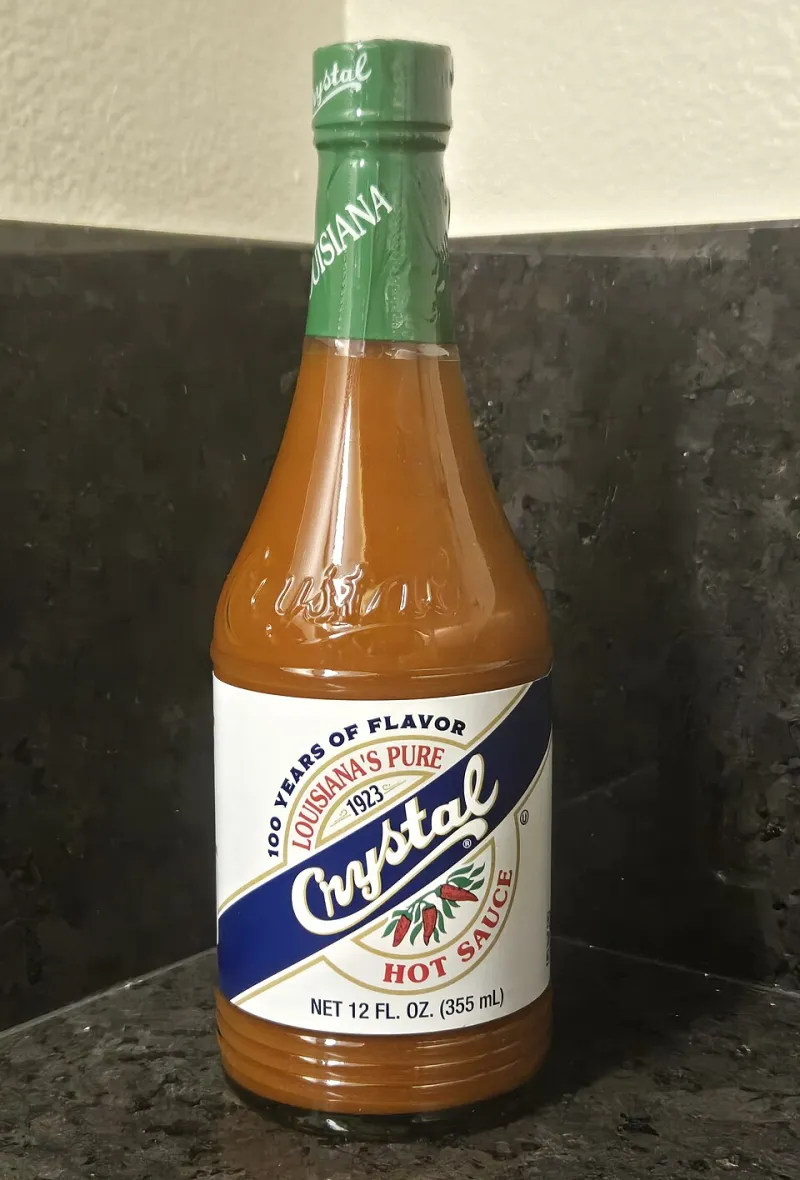
Here's where a lot of heat lovers go wrong: they treat hot sauce like ketchup — something that can live on the table indefinitely. And honestly, a high-vinegar, commercial-style Louisiana hot sauce? It can handle room temperature just fine. The acidity keeps microbial growth in check, and there's not a ton of complex flavor architecture to protect.
But that's not the kind of sauce you're buying when you're spending real money.
Small-batch fermented sauces, fresh fruit-based sauces, and anything with a lower vinegar content or added oils should go straight into the fridge after opening — no debate. Cold temperatures dramatically slow oxidation and enzyme activity, which means your investment actually tastes like an investment three months from now.
For unopened bottles, a cool, dark pantry is fine. But once that seal is broken, the clock starts ticking, and refrigeration is your pause button.
Building a Storage Hierarchy That Actually Works
Not every sauce in your collection needs the same treatment. Here's a practical breakdown:
Room Temperature (Pantry, Away from Light and Heat) Best for: Sealed, commercially produced vinegar-forward sauces. Think Tabasco, Crystal, Texas Pete — the classics with high acidity and preservative-level vinegar content. Unopened bottles of most sauces are also fine here, as long as you're keeping them away from the stove and out of direct sunlight.
Refrigerator Best for: Any opened small-batch or craft hot sauce. Fermented sauces (like anything lacto-fermented without heavy vinegar additions), fruit-forward sauces, sauces with fresh herbs, and anything with oil as an ingredient. If you paid more than $10 for it, it probably belongs in the fridge.
Freezer Yes, the freezer. This is an underused option for serious collectors. If you buy hot sauces in quantity or want to preserve a seasonal or limited-release bottle long-term, freezing is legitimate. Most hot sauces freeze well — the high acidity and capsaicin content prevent ice crystal damage from significantly altering texture. Thaw in the fridge overnight and you're good to go. This is especially useful for fresh chili pastes and homemade sauces.
Which Sauces Actually Get Better with Time
Here's the flip side: some hot sauces genuinely improve after a few months on the shelf or in the fridge. This is the world of aged and fermented sauces, and it operates on a completely different logic.
Sauces built on a fermented chili base — where live cultures or the byproducts of lacto-fermentation are doing real work — often mellow and deepen over time. The aggressive sharpness of a freshly fermented sauce rounds out. Complexity develops. It's similar to what happens with a good hot sauce analog: aged vinegar-based sauces can develop a mellower, more integrated flavor profile as the acidity softens.
Some makers even bottle their sauces intentionally young, knowing that customers who store them properly will experience the sauce at its best six to eight weeks later. If a bottle you bought tasted harsh or one-dimensional at first, give it another shot after a couple of months in the fridge.
Dried chili-based sauces also tend to hold up well over time, since the dehydration process has already done most of the volatile compound removal. A sauce built on ancho, guajillo, or cascabel has less to lose in the flavor department than one built on fresh serranos.
The Light Factor Nobody Talks About
UV light degrades capsaicinoids and color compounds faster than most people realize. That beautiful deep red color in your favorite sauce? It comes from carotenoid pigments — the same family of compounds that give carrots and tomatoes their color. UV exposure breaks those down, which is why a sauce left in sunlight can turn brownish-orange and taste noticeably duller.
This is also why a lot of premium hot sauce makers are now packaging in dark glass or opaque bottles. If your sauce came in clear glass, just be extra mindful about where you're keeping it.
Getting the Most Out of Every Bottle
A few practical habits that'll extend the life of your collection without turning sauce storage into a part-time job:
- Wipe the bottle neck after every use. Residue around the opening oxidizes and can affect flavor over time, plus it introduces contamination risk.
- Don't leave a bottle open on the counter while you cook. Pour what you need and cap it.
- Rotate your collection. First in, first out. Don't let bottles sit at the back of the fridge for a year.
- Buy smaller bottles of high-end sauces if you're not a daily user. A 2-oz bottle you finish in a month beats a 5-oz bottle that fades before you're halfway through.
Your hot sauce collection is an investment in flavor — and like any investment, it rewards a little attention. The chemistry isn't complicated once you understand it, and the payoff is every pour tasting exactly like it should.