Mix and Match Heat: The Hidden Rules of Combining Hot Sauces Without Wrecking Your Dish
Most heat lovers have been there. You've got a killer habanero sauce on the counter and a smoky chipotle bottle in the fridge, and you think — why not both? Sometimes it works beautifully. Other times you end up with something that tastes like hot, and nothing else. The good news? There's actual science behind why that happens, and once you understand it, you can start pairing hot sauces and chili peppers like a pro.
Why Two Hot Sauces Don't Always Add Up
Here's the thing about capsaicin — the compound responsible for that burn you love — it doesn't just sit quietly in your mouth. It binds to TRPV1 receptors, the same pain receptors triggered by actual heat. When you layer two high-capsaicin sauces on top of each other, those receptors get overwhelmed fast. You're not doubling the flavor. You're just doubling the noise.
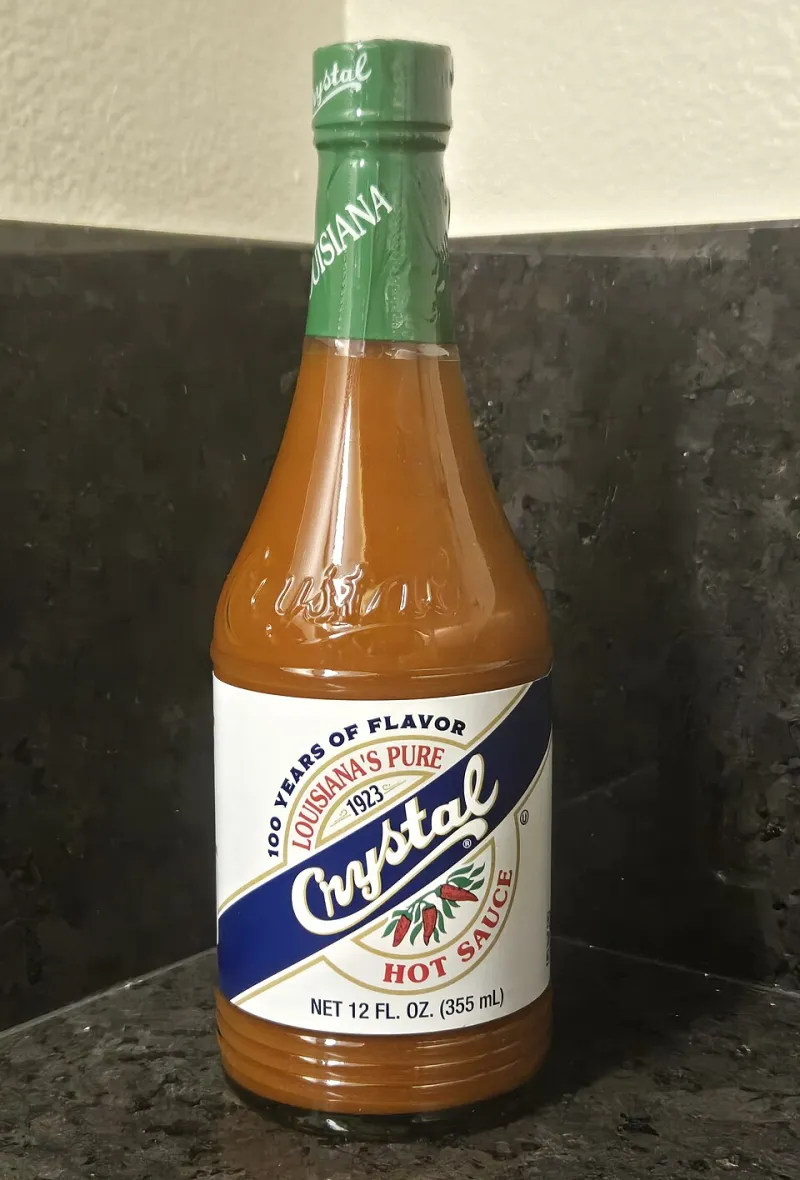
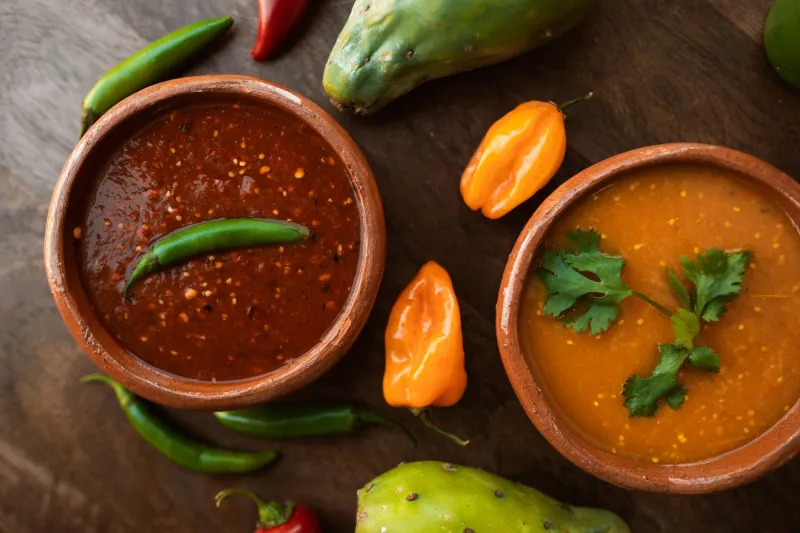
But heat intensity is only part of the equation. Hot sauces are complex flavor systems. A good Louisiana-style sauce brings vinegar brightness, salt, and mild pepper funk. A Yucatan habanero sauce carries floral, fruity notes alongside serious heat. A smoky New Mexico red chile paste is earthy and rich. Each of these has a distinct flavor architecture — and when you combine them, those architectures either complement each other or they clash.
Think of it like music. Two instruments playing in the same key can sound gorgeous together. Two instruments playing in different keys? That's flavor chaos.
The Flavor Profiles You Need to Know
Before you start mixing anything, it helps to understand the main flavor categories most hot sauces fall into:
- Acidic/Vinegar-Forward: Classic Louisiana-style sauces, Tabasco, most fermented hot sauces. These are bright, tangy, and relatively thin.
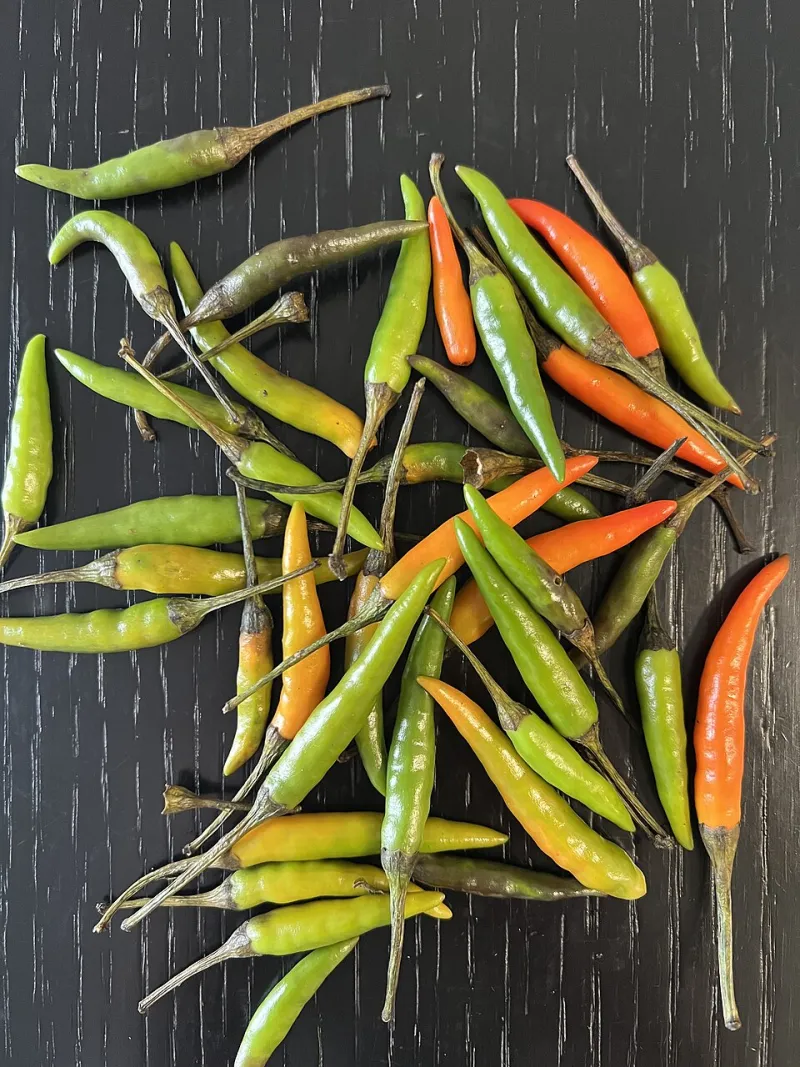
- Fruity/Floral: Habanero, scotch bonnet, and Aji Amarillo-based sauces. These carry tropical and citrusy notes alongside intense heat.
- Smoky/Earthy: Chipotle, ancho, and pasilla-based sauces. Rich, deep, sometimes chocolatey.
- Garlicky/Savory: Chili-garlic sauces like sambal oelek or rooster sauce. Umami-forward with a pungent kick.
- Fermented/Funky: Gochujang, lacto-fermented chili pastes. Complex, slightly sour, with depth.
The general rule? Pair within similar flavor families or use contrast deliberately. A fruity habanero sauce and a smoky chipotle sauce can work together because they operate in different flavor registers — one lifts, one grounds. But two acidic vinegar sauces layered on the same taco? You're just going to taste vinegar.
What the Chefs Actually Do
We talked to a few folks who think about this stuff professionally. Chef Marcus Webb, who runs a fire-focused pop-up in Austin, Texas, puts it simply: "I think of hot sauces the way I think about seasoning. Salt doesn't replace acid — it works with it. Same idea. I'm not doubling up on the same note. I'm filling in gaps."
His go-to combo? A fermented serrano sauce as a base layer (applied during cooking) with a fresh habanero sauce as a finishing drizzle. The fermented sauce adds depth and funk that develops with heat. The fresh habanero brings brightness at the end. Neither one drowns the other out.
Another approach comes from home cook and ChiliPilli community member Dani Reyes out of Chicago, who runs a popular spicy food Instagram. She swears by what she calls the "heat ladder" — starting with a mild, flavor-rich sauce as a marinade or cook-in sauce, then finishing with something hotter but more neutral in flavor so the heat lands without muddying the taste.
Combinations That Actually Work
Here are a few pairings worth trying at home:
Habanero + Chipotle: The fruity brightness of habanero plays beautifully against the smokiness of chipotle. Great on grilled chicken or roasted sweet potatoes. The contrast is the point.
Fermented Chili Paste + Fresh Citrus-Based Hot Sauce: The funky depth of fermentation meets the clean zing of a lime-forward hot sauce. Works incredibly well on fish tacos or grain bowls.
Garlic-Chili Sauce + Vinegar-Based Louisiana Style: The savory, umami weight of a garlic sauce balances the sharp acidity of a Louisiana-style. Together they make a surprisingly well-rounded wing sauce.
Gochujang + Scotch Bonnet Sauce: This one's for the brave. Gochujang brings sweetness, depth, and slow-building heat. Scotch bonnet delivers immediate, floral fire. The result is layered and genuinely complex — not just hot.
Combinations to Avoid (Or Approach Carefully)
Not every pairing is a winner. A few combos tend to create that muddled mess everyone dreads:
- Two vinegar-forward sauces: The acidity compounds aggressively and can overpower everything else on the plate.
- Two ultra-high-Scoville sauces: If both sauces are sitting above 500,000 SHU, you're likely to obliterate any nuance. Your palate just can't process that much heat at once without losing the flavor entirely.
- Smoky + Smoky: Double smoke tends to read as bitter rather than rich. One smoky element per dish is usually enough.
A Quick Framework for Smarter Pairing
If you want to start experimenting without the guesswork, use this simple framework:
- Pick your dominant sauce — the one that defines the dish's heat character.
- Choose a supporting sauce that operates in a different flavor register (fruity vs. smoky, acidic vs. earthy).
- Apply them at different stages — one during cooking, one as a finish.
- Taste as you go. Seriously. Don't just dump both on at the end.
Layering heat is a skill, not a reflex. Once you start thinking about hot sauces as flavor ingredients rather than just heat delivery systems, the combinations get way more interesting — and way more delicious.