Five Peppers That Will Change How You Cook Forever (And Where to Start)
So you've decided to stop eating boring food. Good call.
Maybe you caught yourself reaching for that same dusty bottle of generic hot sauce for the hundredth time. Maybe a friend made you try something homemade and your whole understanding of what "spicy" means shifted in about thirty seconds. Whatever brought you here, welcome — because building your first real pepper collection is one of the most rewarding things a home cook can do.
The problem? Walk into any specialty grocery store or browse our shop for the first time, and the sheer number of options can be genuinely paralyzing. Anchos, serranos, gochugaru, ghost peppers, shishitos — it reads like a foreign language if you're just getting started. The good news is you don't need all of them. You just need the right ones.
Here's a no-guesswork starter kit built around five to seven peppers that cover different heat levels, flavor profiles, and cooking applications. Master these, and you'll have a foundation that makes everything else click.
Start Mild: The Ancho Pepper
If you're new to dried chilies, the ancho is your best first friend. It's essentially a dried poblano, and it carries this deep, chocolatey, slightly raisin-like flavor that has almost nothing in common with the sharp heat most people expect from a chili pepper. Heat-wise, it sits between 1,000 and 2,000 Scoville Heat Units (SHU) — that's mild enough for almost anyone.
Where to use it: Toast a couple of anchos in a dry skillet, rehydrate them in warm water, and blend them into a mole sauce or a slow-cooker chili. They add body and richness rather than fire, making them a perfect bridge for anyone easing into the pepper world. Anchos also grind beautifully into a powder you can stir into marinades, soups, or even a pat of compound butter.
The Everyday Workhorse: Jalapeño
You probably already know the jalapeño, but you might not know it as well as you think. Fresh jalapeños clock in around 2,500 to 8,000 SHU, and that range matters — the same pepper can taste completely different depending on how ripe it is, how it was grown, and whether it's been stressed by drought or heat during cultivation.
Smoke and dry a jalapeño and you get a chipotle, which is practically its own ingredient. That transformation — same pepper, completely different personality — is one of the first lessons the chili world teaches you, and it's a good one.
Where to use it: Fresh jalapeños work in salsas, guacamole, and poppers. Pickled, they're perfect on tacos and sandwiches. And if you get your hands on chipotles in adobo sauce (canned, widely available), you've got a smoky, complex flavor bomb that belongs in everything from scrambled eggs to BBQ sauce.
Step It Up: The Serrano
Think of the serrano as a jalapeño that went to the gym. It's smaller, brighter, and noticeably hotter — usually between 10,000 and 23,000 SHU. The flavor is sharper and greener, with less of the grassy sweetness you get from a jalapeño.
Seranos are fantastic for people who've been eating jalapeños comfortably and want to feel that next rung of heat without jumping off a cliff. They're also incredibly versatile raw — just chop them finely and add to pico de gallo, stir-fries, or ceviche for a clean, direct kick.
Where to use it: Use serranos anywhere you'd use a jalapeño when you want more heat and a slightly sharper flavor. They're particularly great in Thai-inspired dishes or blended into a fresh green hot sauce with cilantro and lime.
Smoke and Fire Together: The Guajillo
The guajillo is one of the most important dried peppers in Mexican cooking, and it deserves a permanent spot in every American kitchen. It lands around 2,500 to 5,000 SHU — similar heat to a jalapeño — but the flavor is where it earns its reputation. Think tangy, slightly cranberry-ish, with a smooth heat that lingers rather than punches.
Guajillos are the backbone of a lot of classic red sauces, enchilada sauces, and birria. They're also the kind of pepper that makes people ask "what IS that flavor?" when they taste it in your cooking — in the best possible way.
Where to use it: Toast and rehydrate guajillos for a rich red sauce base, or blend them with garlic and cumin into an adobo marinade for chicken or pork. They pair beautifully with the ancho if you want to start building more complex flavor combinations.
Medium Heat with Real Flavor: The Cayenne
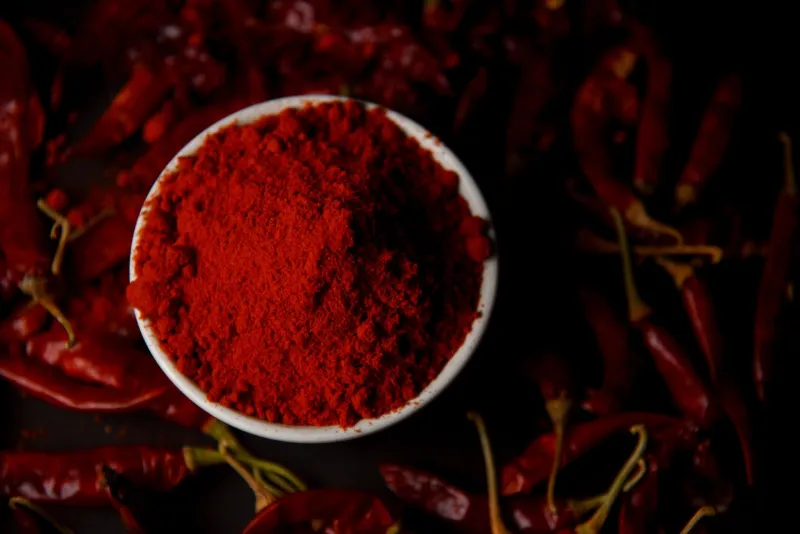
Cayenne is probably already in your spice cabinet — but there's a big difference between that pre-ground powder that's been sitting there since 2019 and fresh or recently dried cayenne peppers. Fresh cayenne brings bright, clean heat with a slightly fruity edge. Dried and ground properly, it's one of the most versatile tools in a cook's arsenal.
At 30,000 to 50,000 SHU, cayenne sits comfortably in the medium heat zone — hot enough to feel meaningful, manageable enough that most people can enjoy it in dishes without needing a glass of milk nearby.
Where to use it: Cayenne goes into everything. Add a pinch to chocolate desserts for a subtle kick, stir it into butter for a simple spicy sauce, or use it to build heat in soups and stews. It's also the backbone of a lot of classic Louisiana-style hot sauces.
For the Curious: The Habanero
This is where things get real. The habanero sits between 100,000 and 350,000 SHU, which is a significant jump from cayenne. But here's the thing — the habanero isn't just hotter. It's also deeply fruity and floral in a way that lower-heat peppers simply aren't. That combination of tropical flavor and serious fire is what makes it genuinely exciting.
Don't be scared of it. Respect it, sure — wear gloves when handling it fresh, and don't touch your eyes — but don't avoid it. Even a small amount adds enormous character to a dish.
Where to use it: Use habanero sparingly in fresh salsas, fruit-based hot sauces (mango habanero is a classic for a reason), and marinades. As you build your heat tolerance, you'll find yourself reaching for it more and more.
Bonus Pick: Crushed Red Pepper Flakes (Calabrian Chili)
If you want to round out your starter collection with something that bridges Italian-American cooking and serious heat, grab a jar of Calabrian chili paste or dried Calabrian flakes. They're fruity, a little smoky, and sit around 25,000 SHU. They're incredible stirred into pasta, spread on pizza, or mixed into olive oil for dipping.
How to Actually Use This Collection
Having these peppers is only half the job. The other half is experimenting — and not being afraid to mess something up. Start by swapping one pepper into a recipe you already know and love. See how it changes. Taste things at different stages of cooking. Notice how heat behaves differently when a pepper is raw versus roasted versus dried.
The best chili cooks aren't the ones who memorized every Scoville rating. They're the ones who paid attention, got curious, and kept cooking. Your starter kit is just that — a start. The rest is up to you.
Ready to stock up? Browse our full pepper selection at ChiliPilli and get your collection going. Your future meals are going to be a lot more interesting.