Cold Storage, Hot Peppers: The Year-Round Preservation Playbook Every Chilihead Needs
Every fall, it happens. Farmers markets start winding down, that one vendor with the insane fresh serranos and chocolate habs packs up their tent, and suddenly you're staring down six months of sad, waxy grocery store peppers. For anyone who takes their heat seriously, it's basically a seasonal crisis.
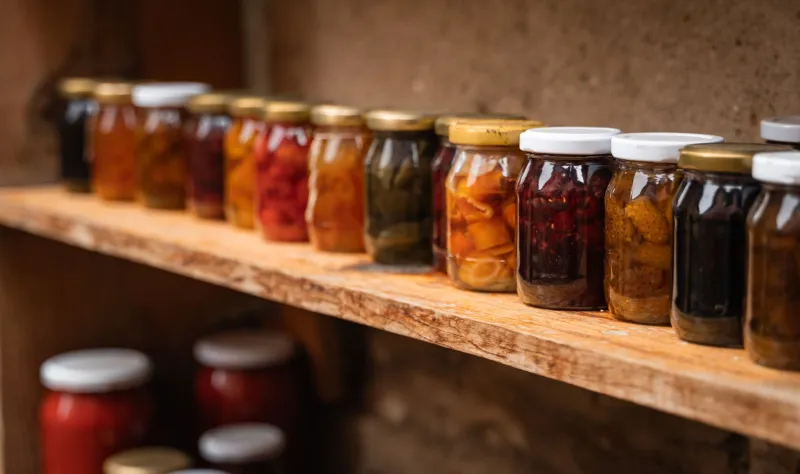
But here's the thing — it doesn't have to be. With the right preservation strategy, you can stockpile peak-season peppers in August and still be pulling full-flavor habaneros out of your freezer in February. And no, you don't need a commercial dehydrator or a fermentation cave. You need a solid game plan, a little freezer space, and maybe a few mason jars.
Let's break it all down.
Why Preservation Timing Actually Matters
Most home cooks wait until their peppers are already going soft before they think about preserving them. That's the first mistake. The best window to preserve is right at peak ripeness — when capsaicin content is at its highest and the sugars, acids, and aromatic compounds are fully developed.
Capsaicin, the compound responsible for that glorious burn, concentrates in the white pith of the pepper and doesn't degrade easily with cold. That's good news for freezing. Heat levels — measured on the Scoville scale — are largely preserved through most cold-storage methods, though some fermentation processes can subtly shift the flavor profile and perceived heat.
Bottom line: buy or harvest in bulk during late summer and early fall, and preserve immediately. Don't let them sit on the counter for a week first.
The Freezer Method: Simple, Effective, and Underrated
Freezing is hands-down the easiest way to preserve fresh chilies, and it works shockingly well for most pepper varieties. The texture will soften once thawed — you're not getting a crispy raw pepper out of the freezer — but for cooked applications like salsas, soups, stews, and sauces, frozen peppers perform almost identically to fresh.
How to do it right:
- Wash and dry completely. Any surface moisture will cause ice crystals that degrade texture and flavor faster.
- Skip blanching for most peppers. Unlike vegetables, chilies don't need to be blanched before freezing. Blanching can actually dull the heat slightly.
- Flash freeze on a sheet pan first. Spread whole or sliced peppers on a parchment-lined baking sheet and freeze for two to three hours before bagging. This prevents them from clumping into one solid brick.
- Vacuum seal if you can. Freezer burn is the enemy. A vacuum sealer dramatically extends quality — we're talking 12 to 18 months versus 3 to 6 months with a standard zip-lock.
- Label with variety and date. Frozen ghost peppers and frozen poblanos look identical after three months. Trust us on this one.
Scoville impact? Minimal. Studies on capsaicinoid stability show that freezing doesn't significantly reduce heat levels. You're essentially hitting pause on the pepper at its peak.
Roasting Before Freezing: A Flavor Upgrade Worth Considering
If you're planning to use your peppers primarily in cooked dishes, consider roasting them before they go in the freezer. Char them over an open flame or under your broiler, let them steam in a covered bowl, peel off the skins, and freeze in portions.
This works especially well with Anaheims, poblanos, and even Hatch green chiles — which have an incredibly short fresh season if you're not in New Mexico. Roasted frozen chilies drop straight into enchilada sauce, chile verde, or shakshuka without any extra prep. It's a serious time-saver during busy weeknights.
The trade-off: roasting does reduce raw Scoville punch slightly, since heat disperses during cooking. But the flavor complexity you gain — that smoky, sweet depth — more than compensates.
Fermentation: The Method That Actually Makes Peppers Better
Here's where things get interesting. While freezing preserves peppers in their current state, fermentation actively transforms them. And for a lot of chiliheads, that transformation is the whole point.
Lacto-fermentation — the same process behind kimchi and sauerkraut — uses naturally occurring bacteria to break down sugars in the pepper while producing lactic acid. The result is a tangier, more complex flavor with a gentler, rounder heat. Some fermented pepper mashes and hot sauces actually taste hotter than the original pepper, not because capsaicin levels increase, but because the acidity heightens your perception of heat.
Basic fermentation setup:
- Blend or roughly chop your peppers
- Add 2–3% salt by weight (a kitchen scale is essential here)
- Pack tightly into a clean mason jar, leaving minimal air space
- Use a fermentation weight or small zip-lock bag filled with brine to keep peppers submerged
- Cover with a cloth or airlock lid and leave at room temperature for 5 to 14 days
Taste daily after day five. When it hits the flavor profile you want — funky, tangy, and complex — transfer to the fridge. It'll keep for months and continue to slowly develop.
Fermented pepper mash is the base for some of the most celebrated hot sauces in the country. Once you've made your own, it's hard to go back.
Drying and Powder: The Long Game
If freezer space is limited, drying is another solid option. A food dehydrator set between 125°F and 135°F will dry most peppers thoroughly in 8 to 12 hours. Thin-walled varieties like cayennes and Thai chilies dry fastest; thick-walled peppers like jalapeños take longer and benefit from being halved first.
Once fully dried, peppers can be stored whole in airtight containers for up to a year, or ground into powder for even longer shelf stability. Homemade cayenne powder or smoked ghost pepper flakes are leagues beyond anything you'll find at a big-box grocery store.
Scoville levels in dried peppers are technically higher per gram than fresh, simply because you've removed the water weight — the capsaicin is more concentrated. Keep that in mind when seasoning.
Putting It All Together: A Preservation Strategy
The smartest approach isn't picking one method — it's layering them based on how you actually cook.
- Freeze whole or sliced raw peppers for cooked dishes and salsas
- Roast and freeze thick-walled peppers destined for sauces and braises
- Ferment a batch of your favorite hot variety for hot sauce and condiment use
- Dry and grind thin-walled peppers for spice blends and finishing powders
Buy in bulk at peak season — local farms, farmers markets, or online specialty vendors often sell by the pound at a fraction of retail price. A 5-pound flat of fresh habaneros in September can stock your kitchen through spring for under twenty bucks.
The Payoff Is Real
When February rolls around and your friends are reaching for a bottle of generic hot sauce, you'll be pulling a bag of peak-season Fresnos out of the freezer or cracking open a jar of six-month-aged fermented jalapeño mash. The flavor difference is not subtle.
Preservation isn't just about saving money — though it absolutely does that. It's about refusing to let seasonality dictate what you can cook. Your chili season doesn't end in October. It just moves into the freezer.