Fed Up With Flavorless: How American Home Cooks Are Staging a Heat Revolution One Recipe at a Time

Photo by Photo by Sasun Bughdaryan on Unsplash on Unsplash
Somewhere between the third time making a box of mac and cheese doctored with nothing but salt, and the fourth scroll through a recipe blog promising "bold flavor" that turned out to be garlic powder and dried parsley, something snapped for Marcus Tillman of Columbus, Ohio.
"I just got tired," he says, laughing. "Tired of cooking food that tasted like nothing. My wife and I started watching a lot of cooking content online, and we noticed everything we actually wanted to eat had some kind of heat in it. That was the lightbulb moment."
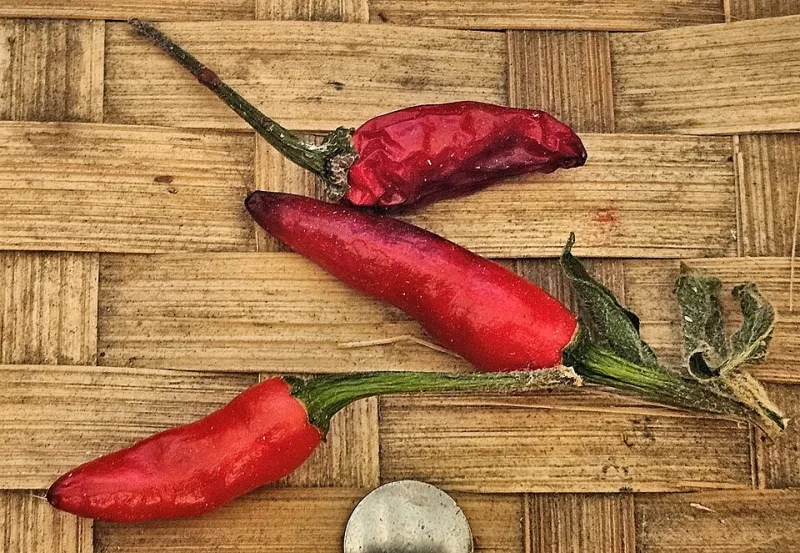
Marcus isn't alone. Across American kitchens — from studio apartments in Austin to suburban ranch houses in the Midwest — home cooks are quietly staging a rebellion against the beige, inoffensive flavor profiles that have dominated mass-market recipes for decades. They're reaching past the paprika and onion powder, hunting down dried chili de árbol, fermenting their own hot sauces, and making chile crisp a permanent fixture next to the olive oil. And the numbers back it up.
The Data Behind the Burn
Spice sales in the U.S. have been climbing steadily, and it's not just professional chefs driving demand. According to retail trend data, purchases of hot sauce, dried chilies, and specialty spice blends have seen consistent year-over-year growth, with a notable spike following the pandemic years when people were stuck at home and suddenly very motivated to make dinner interesting.
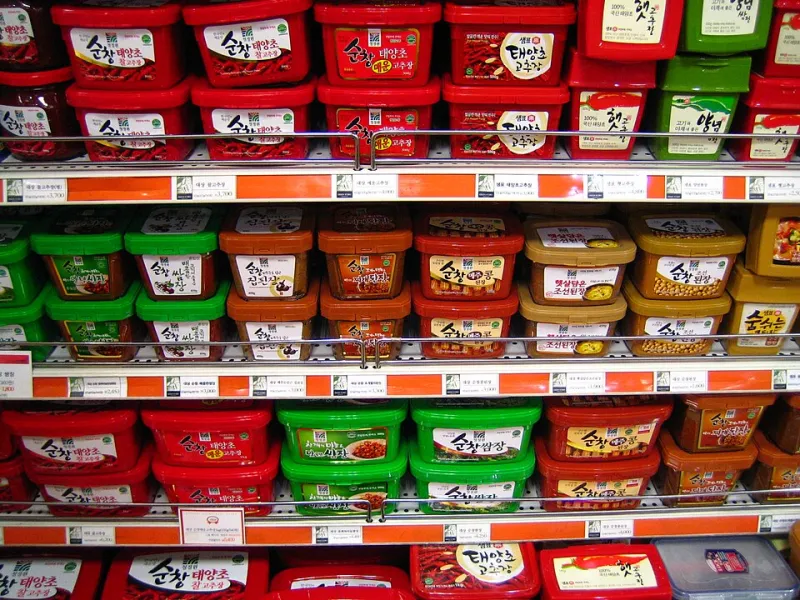
Grocery chains that once stocked a single dusty bottle of cayenne are now dedicating entire shelf sections to gochugaru, Calabrian chili paste, and smoked ghost pepper flakes. Specialty food retailers report that customers who were buying mild salsa five years ago are now asking for dried anchos, chipotles en adobo, and whole dried Thai bird's eye chilies by name.
The cultural underpinning here is significant. As American palates have been reshaped by immigration, food media, and increased access to global cuisines — whether through restaurants, YouTube, or TikTok food creators — the definition of "normal" home cooking has fundamentally changed. What felt adventurous in 1998 feels almost quaint today.
Breaking Free From the Recipe Card
For many heat converts, the shift starts with a single dish that rewires expectations. Priya Chandrasekaran, a home cook in the Dallas suburbs, credits a neighbor's homemade sambar with changing everything.
"She invited us over for dinner and I remember thinking, 'I don't know what's happening in my mouth right now, but I need this to happen every day,'" Priya recalls. "After that, I started experimenting with fresh chilies in dishes where I'd never used them before. Even scrambled eggs. People thought I was weird, but honestly? Best eggs of my life."
This kind of experiential conversion — tasting something genuinely spicy and flavorful, then chasing that sensation in your own cooking — is a common thread among home cooks who've made the leap. It's less about following a trend and more about recalibrating what food should taste like.
The recipes that these cooks are leaving behind tend to share a few characteristics: they were designed for mass appeal, optimized to offend as few people as possible, and built around convenience rather than depth of flavor. There's nothing inherently wrong with that approach, but for a growing segment of home cooks, it's simply not enough anymore.
The Family Palate Problem — and How to Solve It
Here's where things get genuinely tricky. You can be fully committed to your new heat-forward cooking philosophy, but if your partner thinks black pepper is aggressive and your kids treat anything above mild salsa like a biohazard, you've got a negotiation problem on your hands.
The good news: this is totally solvable, and it doesn't require cooking two separate meals every night.
Start with heat on the side. One of the smartest moves is building spice into a dish as an optional add-on rather than a baseline ingredient. Make a pot of chicken tortilla soup with a mild base, then set out a lineup of hot sauces, pickled jalapeños, and a small bowl of chile crisp for the adventurous eaters at the table. Everyone wins.
Go low and slow with the heat level. If you're cooking for people who aren't spice enthusiasts yet, introduce heat gradually over weeks and months. Drop a single dried ancho into your next pot of chili and remove it before serving. The flavor will be there — subtle, complex, slightly earthy — without the fire that might trigger a family revolt. Slowly increase from there.
Lean on flavor before heat. Not all chilies are about scorching heat. Dried mulato peppers, for instance, bring chocolate and cherry notes with very modest spice. Pasillas offer a mild earthiness. Starting with these gives you complexity without confrontation, and it's a gentler way to introduce the chili pepper world to skeptical household members.
Make it a thing. Marcus and his wife started doing what they call "spice Saturdays" — one meal a week where they intentionally try something new and hotter than their usual rotation. "It became kind of a game," he says. "Now my kids are actually excited about it. They want to taste stuff and tell us if it's too hot. It turned into family time, honestly."
The Craft Ingredient Advantage
Part of what's fueling this home kitchen rebellion is access. The internet has made it genuinely easy to source ingredients that simply weren't available at your local supermarket a decade ago. Dried ñora peppers from Spain, Kashmiri chili powder, Peruvian ají amarillo paste — these aren't exotic luxuries anymore. They're a few clicks away and often surprisingly affordable.
Small-batch hot sauce producers have also played a huge role here. When home cooks discover that a craft habanero-mango sauce made in small batches hits completely differently than the mass-produced stuff on the grocery store shelf, it changes how they think about what goes into their cooking. Quality ingredients at every level — not just the protein or the produce, but the condiments and the spices — start to matter in a new way.
For ChiliPilli regulars, this is basically preaching to the choir. But for the growing wave of home cooks just starting to explore heat-forward cooking, the realization that better chili ingredients exist and are accessible is genuinely transformative.
This Isn't About Machismo — It's About Flavor
One thing worth calling out: the home cook heat revolution isn't really about who can handle the most Scoville units. That's a different conversation. What's actually happening in kitchens like Marcus's and Priya's is a pursuit of complexity — the layered, nuanced, sometimes slow-building heat that makes food more interesting, more memorable, and more satisfying to cook and eat.
Chili peppers are one of the most versatile flavor tools available to any cook. They can add brightness, depth, smoke, fruitiness, and yes, heat — but the heat is often the least interesting thing about them. The home cooks driving this shift seem to intuitively understand that.
So if you've been eyeing that jar of gochujang in the back of your fridge and wondering whether it's time to actually start using it — consider this your sign. Your recipes are ready for the upgrade. Your palate probably is too.
You might just need to give your family a few Saturdays to catch up.