Inside the Kitchens of America's Most Obsessed Chiliheads
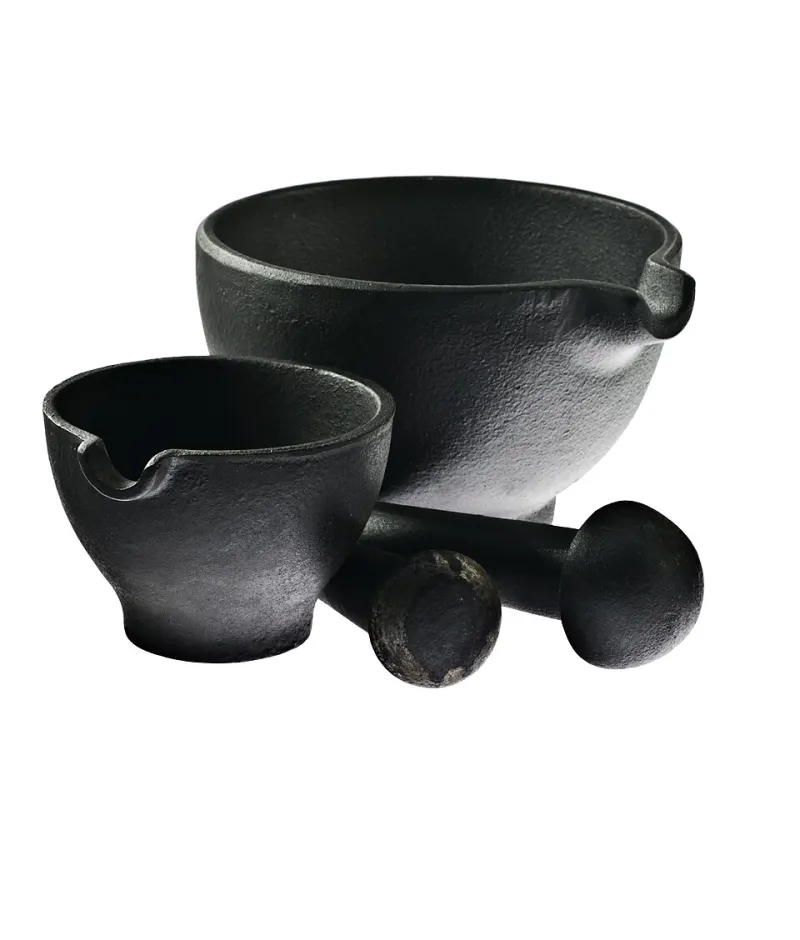
Photo: Nikodem Nijaki, CC BY-SA 3.0, via Wikimedia Commons
When Marcus Webb registered for his wedding in 2021, his future in-laws were baffled. No stand mixer. No matching dinnerware set. Instead, his registry included a 10-liter fermentation crock, a commercial-grade dehydrator, and a Thai granite mortar and pestle that weighed nearly 15 pounds. His aunt got him a Vitamix. He was grateful, but it wasn't the plan.
"I basically wanted to build a hot sauce lab," says Marcus, a 34-year-old software engineer in Austin, Texas, who's been making fermented chili pastes and experimental sauces in his home kitchen for six years. "My wife was supportive. Eventually."
Marcus isn't an outlier anymore. Across the US, a growing community of heat-obsessed home cooks is rethinking what a well-equipped kitchen actually looks like — and chili peppers are at the center of it all. They're investing in specialized tools, dedicating counter space and pantry real estate to their collections, and treating the kitchen less like a room and more like a workshop.
The Rise of the Heat-Ready Kitchen
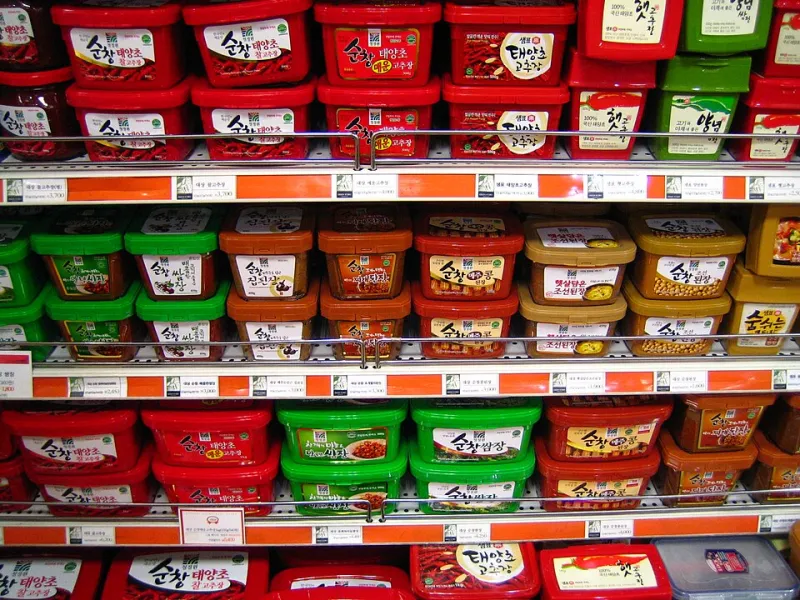
The trend has roots in the broader fermentation revival that took hold in the 2010s, supercharged by pandemic-era cooking projects and the explosion of hot sauce culture in the US. When people started making their own kimchi and sourdough, a natural next step for the spice-inclined was: what if I made my own gochujang? My own fermented habanero mash? My own smoked chili oil?
Those questions require different tools than your average home cook owns. And that's created a new category of kitchen investment — one that sits somewhere between home brewer, home baker, and professional prep cook.
Social media has accelerated things considerably. TikTok and Instagram are full of home cooks showing off their pepper harvests, their fermentation setups, their dehydrator racks loaded with ghost peppers and Fresnos. The aesthetic is part of the appeal — there's something deeply satisfying about a shelf lined with fermentation jars at various stages of bubbling activity. But the function is real too.
The Tools That Actually Matter
We talked to a handful of serious home cooks around the country about their setups, and a few pieces of equipment kept coming up over and over.
The Mortar and Pestle
This is the one tool that nearly every experienced chilihead agrees on, and the one most beginners underestimate. Not the small marble decorative ones — those are basically useless for real work. The tool worth owning is a large Thai-style granite mortar, ideally 8 inches or wider in diameter, with significant weight and a rough interior surface.
"A blender gives you a paste," explains Delia Okonkwo, a food blogger and chili grower based in Atlanta. "A granite mortar gives you a texture. There's a difference in how the cell walls break down — you get oils releasing in a way that a blade just can't replicate. For fresh curry pastes, for chili sambals, it's a completely different product."
Expect to spend $40–$80 for a quality Thai granite mortar. It'll outlast everything else in your kitchen.
The Dehydrator
For anyone growing their own peppers — or buying in bulk during peak season — a dehydrator is transformative. It turns a surplus of fresh chilies into shelf-stable dried peppers, chili flakes, and powder that you control entirely. No mystery fillers, no stale pre-ground cayenne that's been sitting in a warehouse.
The Excalibur is the name that comes up most often among serious users — specifically the 9-tray model, which runs around $300 and handles large batches without hot spots. Budget-conscious cooks can do well with the COSORI models in the $80–$120 range, though serious dehydrating enthusiasts tend to graduate to the Excalibur eventually.
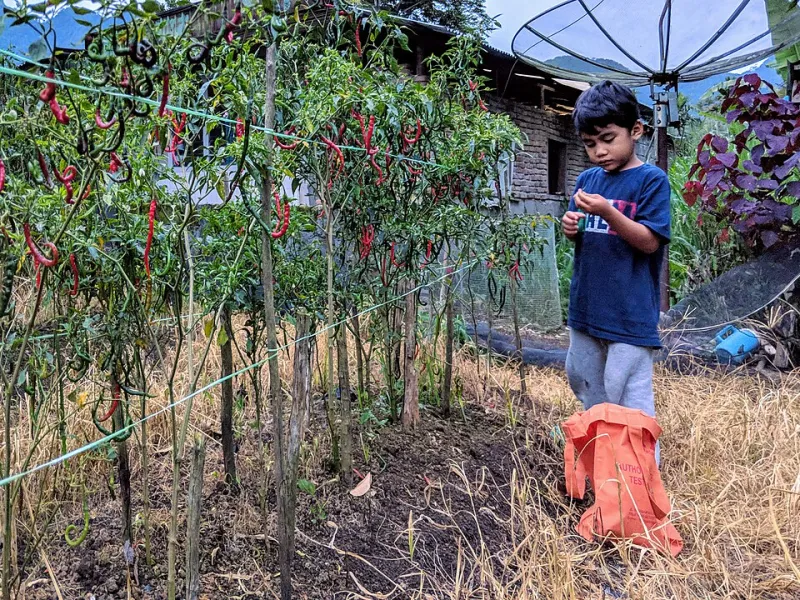
Jamie Tran, a home cook in San Jose who grows over 30 varieties of peppers in his backyard, uses his dehydrator year-round. "I'll do a whole batch of aji amarillos, grind them into powder, and use that all winter. It's completely different from anything you can buy. The flavor is so much brighter."
Fermentation Vessels
This is where setups diverge significantly based on how deep someone wants to go. For casual fermenters — a quart of fermented jalapeños here, a small batch of chili paste there — wide-mouth mason jars with an airlock lid attachment (cheap, widely available) are completely sufficient.
For dedicated fermenters, the ceramic crock is the gold standard. German-style water-seal crocks from brands like Ohio Stoneware or imported European makers run $60–$200 depending on size, and they make the process more consistent and visually satisfying. Several of the home cooks we spoke with mentioned that a crock on the counter became a conversation piece — a signal to guests about what kind of kitchen they'd walked into.
The High-Powered Blender
Yes, the Vitamix Marcus's aunt bought him did end up earning its counter space. For smooth hot sauces, chili oils, and blended pastes, a high-powered blender is genuinely useful — just not a replacement for the mortar and pestle. Think of them as complementary tools. The mortar builds texture and releases oils through physical pressure. The blender creates emulsified, smooth sauces where consistency matters.
If a Vitamix ($400+) isn't in the budget, the Ninja BN701 Professional Plus runs around $100 and handles hot sauce work well.
What's Not Worth the Money
For every tool that earns its place, there are plenty of gadgets marketed to heat lovers that don't deliver.
Single-purpose chili grinders — standalone electric grinders marketed specifically for dried chilies — are mostly redundant if you already own a spice grinder or a high-powered blender. A $20 blade-style coffee grinder dedicated to spices does the same job.
Expensive "chili oil infusers" — the countertop electric versions — are a solution looking for a problem. A small saucepan and a thermometer give you more control and cost a fraction of the price.
Oversized smokers for chili smoking projects are worth it only if you're already a dedicated backyard smoker. For occasional smoked pepper work, a stovetop smoker or even a charcoal grill with indirect heat does the job fine.
Building Your Setup in Tiers
If you're starting from scratch or looking to level up incrementally, here's a practical framework:
Tier 1 — The Foundations ($50–$100 total) Large granite mortar and pestle, a dedicated blade spice grinder, wide-mouth mason jars with airlock lids. This setup handles fresh paste work, dried chili grinding, and basic fermentation.
Tier 2 — The Upgrade ($200–$400 additional) Entry-level dehydrator, a quality high-powered blender, a ceramic fermentation crock. Now you're preserving your own peppers, making smooth sauces, and running serious fermentation projects.
Tier 3 — The Lab ($500+ additional) Excalibur 9-tray dehydrator, multiple fermentation crocks at different sizes, a pH meter for fermentation monitoring, and dedicated pantry storage with proper organization. This is the setup Marcus was gunning for.
It's Not About the Gear
Every home cook we talked to made the same point, unprompted: the tools matter, but the knowledge matters more. Delia put it best: "I've made incredible fermented sauces in a $3 mason jar. The crock is nicer, but it didn't teach me how to ferment. Getting into the process, messing up batches, tasting things at different stages — that's what actually builds your skill."
The heat-ready kitchen isn't about status or Instagram aesthetics. It's about having the right infrastructure to explore one of the most interesting flavor territories in cooking. And that, at the end of the day, is exactly what ChiliPilli is here for.