Zero to Scorching: How to Train Your Palate to Handle Serious Heat
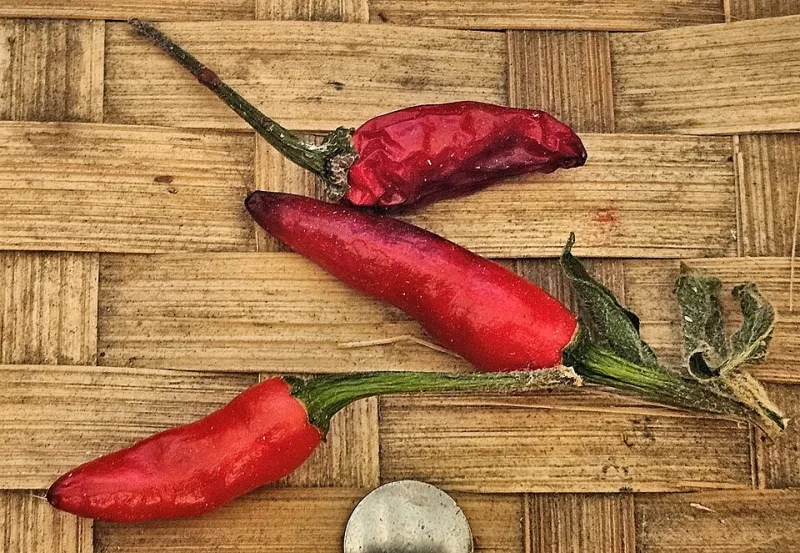
Photo: Eric Polk, CC BY-SA 4.0, via Wikimedia Commons
Everybody starts somewhere. Maybe you once thought salsa from a jar was spicy. Maybe you still do — and that's completely fine. The beauty of chili heat is that your tolerance isn't fixed. Your body is remarkably adaptable, and with a little patience and the right progression, you can go from mild-sauce curious to full-on heat enthusiast without ever torching your palate beyond recovery.
This is your roadmap. No dares, no suffering for the 'gram — just a practical, stage-by-stage guide to expanding your heat horizon and actually enjoying every step of the way.
Why Tolerance Builds in the First Place
Before we get into the peppers, it helps to understand what's happening under the hood. Capsaicin — the compound that makes chili peppers hot — doesn't actually burn you. It tricks your nervous system into thinking you're experiencing heat by binding to TRPV1 receptors, which are the same receptors that respond to actual high temperatures.
Here's the good news: with repeated exposure, those receptors desensitize. Your body produces more endorphins in response, your brain recalibrates what it considers a threat level, and over time, what once felt like an emergency becomes a pleasant, manageable warmth. This process is called capsaicin desensitization, and it's the entire scientific basis for building heat tolerance.
The key word is gradual. Jumping straight to Carolina Reapers won't fast-track your tolerance — it'll just make you miserable and potentially put you off spicy food entirely. Consistent, incremental exposure is the move.
Stage 1: The Starting Line (0–2,500 SHU)
Peppers to try: Banana peppers, pepperoncini, Anaheim, poblano
Sauces to try: Mild salsa, Cholula (used lightly), sweet chili sauce
If you're brand new to building heat tolerance, this is your home base. Poblanos and Anaheims are workhorses of American Southwestern cooking — flavorful, versatile, and just barely warm. They're a great way to start getting comfortable with the idea of chili peppers as a flavor element rather than a punishment.
Tip: Make a simple roasted poblano quesadilla. The char adds smokiness and the heat is barely there — you're training your brain to associate chili peppers with something enjoyable, which matters more than you'd think.
Stage 2: Finding Your Footing (2,500–10,000 SHU)
Peppers to try: Jalapeño, Fresno, Hungarian wax
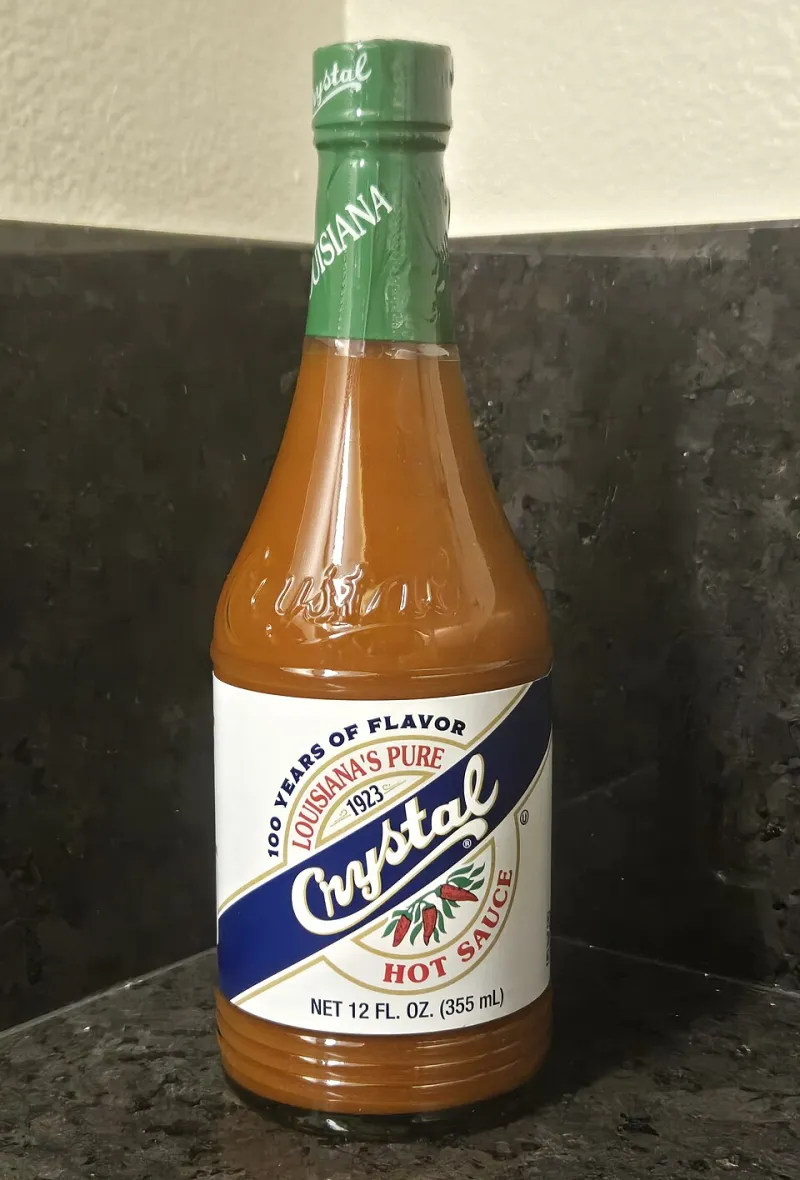
Sauces to try: Tabasco Original, Crystal, Tapatío
The jalapeño is America's gateway pepper for a reason. It's everywhere, it's approachable, and it has enough heat to register without being overwhelming. Fresnos are a great companion — similar heat with a fruitier, slightly smokier character that works beautifully in salsas and marinades.
At this stage, start incorporating heat into your everyday cooking rather than treating it as an add-on. Dice a fresh jalapeño into your scrambled eggs. Splash some Tapatío on your avocado toast. The goal is normalization — making chili heat a regular part of your food experience.
Tip: Remove jalapeño seeds and membranes if you want the flavor without the full punch. Leave them in as your tolerance grows.
Stage 3: Getting Comfortable with the Burn (10,000–50,000 SHU)
Peppers to try: Serrano, cayenne, chile de árbol
Sauces to try: Valentina Extra Hot, Cholula Green Pepper, a quality cayenne hot sauce
This is where things start to feel genuinely spicy to most people. Serranos are about three to five times hotter than jalapeños and have a brighter, crisper flavor. Chile de árbol is a staple of Mexican cooking and the backbone of many beloved American hot sauces — it has a clean, assertive heat that's easy to appreciate once you're ready for it.
Your TRPV1 receptors should be noticeably more accustomed to capsaicin by now. You might find that foods that once made your eyes water now just taste pleasantly warm.
Tip: Make a serrano salsa verde. Blend roasted tomatillos, garlic, onion, and two or three serranos. Use it on everything. You'll get consistent exposure in a format that's genuinely delicious.
Stage 4: Enthusiast Territory (50,000–200,000 SHU)
Peppers to try: Cayenne (fresh), tabasco pepper, habanero
Sauces to try: El Yucateco Red Habanero, Yellowbird Habanero, Melinda's Original Habanero
Welcome to the enthusiast zone. The habanero is a landmark pepper — fruity, floral, and genuinely hot in a way that demands your attention. This is where a lot of heat lovers plant their flag and stay happily.
Habanero-based sauces are some of the most flavorful in the game. The heat is complex rather than blunt, and the fruity notes pair brilliantly with tropical ingredients like mango, pineapple, and citrus. At this stage, you're not just tolerating heat — you're tasting it.
Tip: Mix a habanero hot sauce into a mango-lime marinade for grilled chicken. The fruit cuts the heat just enough while keeping the flavor front and center. This is peak habanero territory.
Stage 5: Advanced Heat (200,000–500,000 SHU)
Peppers to try: Scotch bonnet, bird's eye, datil
Sauces to try: Grace Scotch Bonnet Sauce, Datil pepper sauces from St. Augustine, FL
Scotch bonnets are beloved throughout Caribbean cooking and bring serious heat alongside a distinctive fruity sweetness. Bird's eye chilis are tiny, ferocious, and essential to Southeast Asian cuisine. If you've made it here, you've genuinely built a meaningful tolerance.
At this level, your endorphin response to capsaicin is probably something you actively enjoy. That warm, slightly euphoric feeling after a spicy meal? That's your brain rewarding you for what it once considered a threat. You've essentially trained yourself to enjoy the ride.
Tip: Don't rush this stage. Spend several weeks here before moving on. Consistency matters more than speed.
Stage 6: The Deep End (500,000+ SHU)
Peppers to try: Ghost pepper (bhut jolokia), Trinidad Moruga Scorpion, Carolina Reaper
Sauces to try: Approach with serious respect and quality brands only
This is the territory of true heat obsessives. Ghost peppers and Carolina Reapers aren't just hot — they're an experience that requires preparation, respect, and ideally, dairy products nearby. Milk, yogurt, or ice cream are your best friends here because casein protein binds to capsaicin and washes it away far more effectively than water.
At this stage, it's less about building tolerance and more about expanding your appreciation for extreme flavor. These peppers have genuine complexity beyond the heat — fruity, floral, almost perfume-like notes that you can actually detect once you've trained your palate to look past the initial shock.
Tip: Never go straight from Stage 4 to Stage 6. The jump is real, and it's humbling even for experienced heat eaters.
A Few Rules to Live By at Every Stage
- Eat something fatty before a heat session. Fat slows capsaicin absorption and makes the experience more manageable.
- Never use water to cool the burn. Capsaicin is oil-based and water just spreads it around. Reach for milk, bread, or rice.
- Rest between spicy meals. Daily exposure is fine; overwhelming your system multiple times a day isn't progress, it's just discomfort.
- Pay attention to flavor, not just pain. The best heat enthusiasts are also flavor enthusiasts. If all you're chasing is the burn, you're missing the point.
The Journey Is the Point
Building heat tolerance is one of those rare things in food culture that's genuinely progressive — each stage unlocks flavors and experiences you couldn't access before. At ChiliPilli, we believe the whole spectrum of heat deserves to be explored, from a barely-there poblano all the way up to the Reaper. Take your time, enjoy the ride, and trust that your palate is smarter and more adaptable than you think.