How Korean and Southeast Asian Spice Traditions Quietly Took Over the American Kitchen
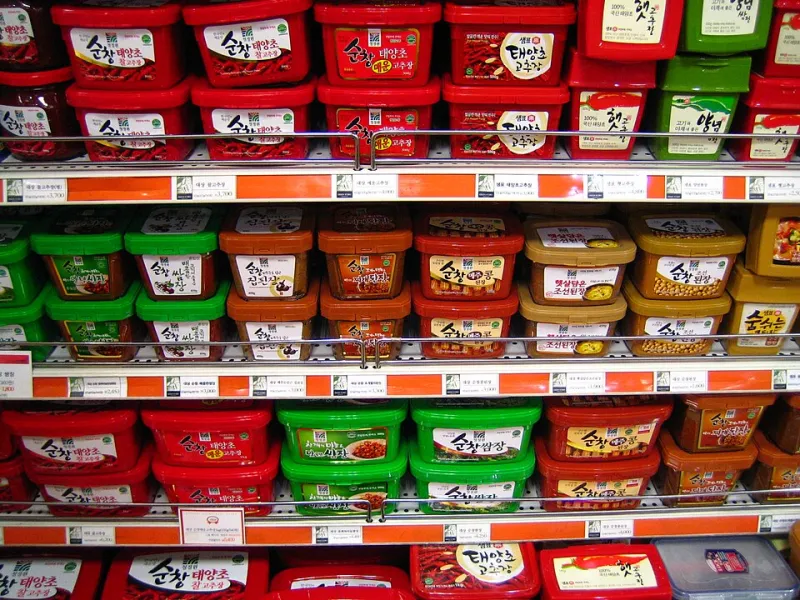
Photo: ayustety from Seoul, CC BY-SA 2.0, via Wikimedia Commons
A few years ago, gochujang was a specialty item you had to hunt for at a Korean grocery store. Today it's stocked at Trader Joe's, Whole Foods, and half the Target locations in the country. Something shifted — and if you pay any attention to what Americans are cooking, eating, and posting about, you already know what it was.
The US has always had a complicated relationship with spicy food. We love the burn, but for a long time that love was channeled through a pretty narrow set of traditions — Louisiana-style hot sauce, Mexican salsas, the occasional sriracha squeeze. That's changing. And the flavors leading the charge are coming from Korea, Thailand, Indonesia, and beyond.
The Buldak Moment
If you haven't heard of buldak, ask a teenager. Or just walk down the instant noodle aisle at your local H-Mart. Buldak — literally "fire chicken" — is a Korean dish defined by a sauce made from gochugaru (Korean chili flakes), gochujang, soy, garlic, and a touch of sugar. It's intensely spicy, deeply savory, and aggressively sticky. Samyang's buldak ramen noodles turned it into a global phenomenon, and the viral "fire noodle challenge" did the rest.
But buldak isn't just a trend in the meme sense. It introduced millions of American eaters to a style of heat they hadn't encountered before — one where the spice is inseparable from a rich, complex sauce rather than just a burning afterthought. That's the Korean approach to chili in a nutshell, and it's reshaping how US home cooks think about heat.
Gochujang: The Ingredient That Changed Everything
Gochujang deserves its own paragraph — honestly, its own article. This fermented red chili paste has been central to Korean cooking for centuries, but its crossover into American mainstream cooking has been remarkable to watch in real time.
What makes gochujang so versatile is its flavor complexity. It's spicy, yes, but also sweet, deeply savory (thanks to fermented soybeans), and slightly funky in the best possible way. It doesn't just add heat — it adds dimension. American cooks have figured this out and run with it. You'll find gochujang in burger glazes, pasta sauces, salad dressings, and roasted vegetable recipes from home cooks who've never set foot in Seoul.
Some of our favorite ways to use it at home:
- Gochujang butter: Mix with softened butter, a squeeze of lime, and a little honey. Spread on corn, swirl into ramen, or melt over a steak.
- Gochujang vinaigrette: Whisk with rice vinegar, sesame oil, and garlic for a salad dressing that actually has personality.
- Gochujang-glazed roasted carrots or cauliflower: Toss, roast at 425°F, finish with sesame seeds and scallions. Done.
Beyond Korea: The Southeast Asian Heat Wave
Korea is getting a lot of the headlines, but Southeast Asian chili traditions are making equally significant moves in American kitchens.
Sambal — the broad category of Indonesian and Malaysian chili-based condiments — has become a genuine pantry staple for adventurous home cooks. Sambal oelek in particular (a simple raw chili paste with minimal additives) has found a loyal following among people who want pure chili flavor without the garlic-forward profile of something like sriracha. It's a workhorse ingredient: stir it into soups, use it as a base for marinades, or just spoon it straight onto eggs.
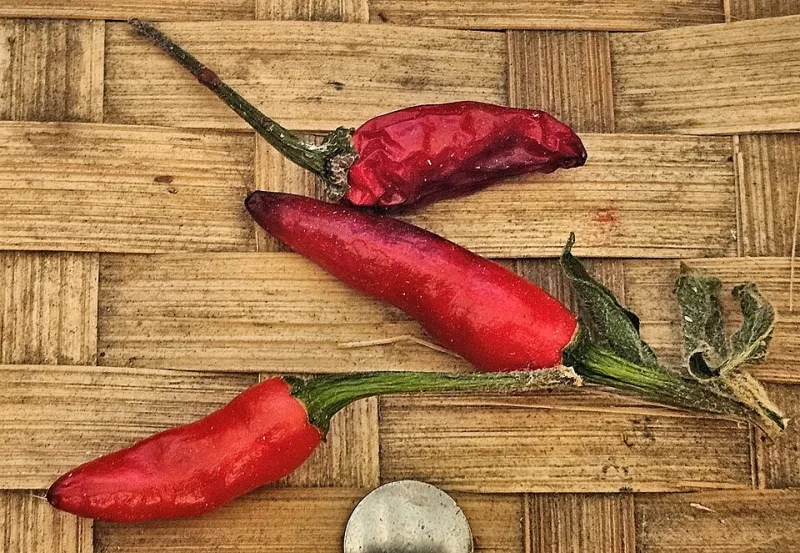
Thai bird's eye chilies have also found their moment. These tiny, ferocious peppers punch way above their size and have become a go-to for home cooks who want fresh, bright heat rather than the deeper heat you get from dried or fermented chili products. Thai-inspired larb, papaya salads, and chili-lime dipping sauces are showing up in American home cooking at a rate that would have seemed unlikely even five years ago.
Calabrian chili — technically Italian, but very much part of this global spice conversation — has become a darling of the food media world and for good reason. Packed in oil, these small red peppers bring fruity, moderately hot, slightly smoky flavor that works in everything from pizza to pasta to scrambled eggs.
Why Now? What's Driving This Shift?
A few things are happening at once. Social media — particularly TikTok and YouTube — has dramatically accelerated the spread of global food culture. A Korean-American creator in LA makes a buldak recipe, it gets 3 million views, and suddenly people in Omaha are adding gochugaru to their grocery lists.
At the same time, immigration patterns have diversified American cities and suburbs in ways that are showing up on restaurant menus and in grocery store inventories. Korean BBQ spots, Thai street food restaurants, and Filipino-American fusion joints have given American diners direct exposure to flavor profiles they then want to recreate at home.
And honestly? American palates have just gotten more adventurous. The work of building heat tolerance — something a lot of ChiliPilli readers know well — pays dividends. Once you can handle real heat, you start seeking out the flavors that come with that heat, not just the sensation itself.
What to Stock Up On Right Now
If you want to start cooking with these flavors, here's a short list of ingredients worth adding to your pantry:
- Gochugaru (Korean chili flakes): Essential for kimchi, soups, and marinades. Milder and fruitier than most dried chili flakes.
- Gochujang paste: Get a mid-range brand to start. Haechandle and CJ Haechan are widely available and solid.
- Sambal oelek: Huy Fong makes the most widely distributed version. Look for ones with minimal ingredients.
- Fish sauce: Not a chili product, but essential for Southeast Asian heat cooking. Adds the savory backbone that makes spicy dishes sing.
- Dried Thai chilies: Stock these for when you want to infuse oil or build a chili-forward sauce from scratch.
The global spice map is wide open right now, and American home cooks are finally exploring it with real curiosity. Whether you're reaching for a jar of gochujang or cracking open a pack of buldak noodles for the first time, you're tapping into centuries of chili tradition — just with a very 2024 energy behind it.