Ditch the Bottle: Why Home Cooks Are Stocking Whole Dried Chilies Instead of Pre-Made Hot Sauce
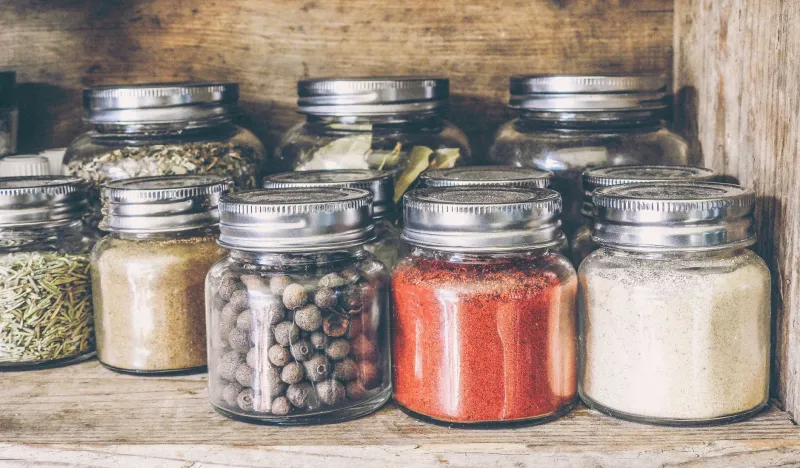
Walk into Marcus Rivera's kitchen in Austin, Texas, and the first thing you notice isn't a gleaming row of hot sauce bottles. It's the wall-mounted spice rack — two feet wide, packed tight with labeled glass jars holding everything from crinkled ancho pods to brick-red Calabrian chile flakes to a smoky dark paste tucked into a small ceramic crock. Marcus has been cooking with heat seriously for about six years, and somewhere along the way, the bottles stopped being enough.
"Pre-made hot sauce is great, but you're locked into someone else's flavor decisions," he says, pulling down a jar of dried cascabel peppers. "When I build heat myself, I know exactly what I'm getting — the fruit, the smoke, the slow burn. No vinegar unless I add it. No garlic unless I want it."
Marcus isn't alone. Across the country, a quiet shift is happening in the kitchens of serious chiliheads. Instead of reaching for a bottle, they're reaching for the raw ingredients: whole dried peppers, coarsely ground powders, fermented pastes, and smoked flakes. It's a pantry-first approach to heat — and it's changing the way people cook.
From Collector to Craftsman
For years, the hot sauce shelf was the go-to status symbol for anyone who took their heat seriously. A well-stocked lineup of craft bottles felt like a badge of honor. But somewhere between the tenth bottle of habanero mango and the third variation on a Louisiana-style cayenne, some cooks started asking a different question: what if I just made it myself from the ground up?
That curiosity tends to start small — a bag of dried guajillos picked up at a Mexican grocery store, a tin of Korean gochugaru grabbed on a whim. Then it snowballs. Dried New Mexico Hatch chilies for a slow-cooked red sauce. Smoked chipotle morita for a batch of homemade adobo. Whole dried Thai birds eye for a Southeast Asian-inspired stir fry that hits completely differently than any bottled chili sauce on the market.
"Once you taste what a rehydrated ancho does to a braise versus what a bottled sauce does, there's no going back," says Priya Nair, a home cook in Chicago who started building her pepper pantry three years ago. "The depth is on a different level."
The Shelf-Life Advantage Nobody Talks About
One of the biggest practical wins of building a dried chili pantry is longevity. A bottle of craft hot sauce, once opened, typically needs to be used within a few months for peak flavor — and if you're rotating through a collection, that's a lot of pressure to keep up. Dried chilies, on the other hand, play by different rules.
Properly stored whole dried peppers can last anywhere from one to four years without significant flavor loss. Vacuum-sealed and kept away from light and moisture, some powders hold up even longer. That means you can stock up on a rare dried chile variety when you find it — say, a pasilla negro from a specialty importer or a smoked aji amarillo from a small-batch supplier — without worrying it'll go bad before you get to use it.
The key is storage. Airtight containers are non-negotiable. Glass jars with tight lids work well. Keep them away from the stove (heat and humidity are enemies) and out of direct sunlight. A dedicated drawer or a cool cabinet shelf is ideal. Label everything with the date you opened it, and do a smell test every few months — dried chilies that have lost their fragrance have also lost most of their punch.
What to Stock First: A Beginner's Pepper Pantry
Building a curated pepper pantry doesn't have to mean hunting down obscure imports on day one. Starting with a core set of versatile, widely available dried chilies gives you serious range without overwhelming your spice budget.
Ancho (dried poblano): Mild, rich, and chocolatey with a low heat level. The backbone of countless Mexican sauces and moles. Great for layering depth without blowing out the heat scale.
Guajillo: Medium heat with a slightly tangy, berry-like quality. A workhorse in salsas, marinades, and pozole. Easy to find at most Latin grocery stores and increasingly common at mainstream supermarkets.
Chipotle morita: Smoky, medium-hot, and deeply savory. These smoke-dried jalapeños bring a complexity that's hard to replicate with any bottled sauce. Rehydrate and blend into adobo, or crumble dried into dry rubs.
Gochugaru (Korean red pepper flakes): Fruity, earthy, and moderately spicy with a distinctive coarse texture. Essential for kimchi, but wildly useful across all kinds of cooking. Adds a slow-building heat that's different from anything in the Mexican or American chili tradition.
Cayenne powder: The utility player of the pepper pantry. Pure heat without a ton of flavor complexity, which makes it perfect for boosting dishes that need intensity without shifting the flavor profile.
Calabrian chili flakes or paste: An Italian import that's earned a permanent spot in American kitchens. Fruity, salty, and medium-hot, the paste form in particular is excellent stirred into pasta, pizza sauce, or compound butters.
Once you've got those six covered, you've got a pantry that handles everything from weeknight pasta to weekend braises to backyard grilling with serious heat credentials.
The Control Factor
Talk to any home cook who's made the shift, and the word that keeps coming up is "control." Not just over heat level, but over the whole flavor architecture of a dish. Pre-made hot sauces are, by design, finished products — they're calibrated to taste good straight out of the bottle. That's a feature when you're dousing eggs or dunking wings. But it's a limitation when you're building a complex dish from scratch.
Dried and powdered chilies are ingredients, not condiments. They behave differently in oil than they do in liquid. They toast differently in a dry pan than they do when rehydrated. A guajillo that's been briefly toasted and soaked will taste nothing like guajillo powder stirred into a sauce — both are useful, but they're different tools.
"I think of my pepper pantry like a painter thinks about pigments," says Derek Cho, a home cook in Portland who runs a small supper club out of his apartment. "Hot sauce is like buying a painting. Dried chilies are like having the colors."
Where to Find the Good Stuff
The good news for US-based chiliheads is that sourcing has never been easier. Latin grocery stores remain the best bet for Mexican dried varieties — fresher stock, better prices, and often a wider selection than anything you'll find at a mainstream supermarket. Korean grocery chains like H Mart carry excellent gochugaru and a range of Korean pepper products. Specialty spice retailers — both local and online — have expanded their dried chili offerings dramatically over the past few years, with small importers bringing in varieties that would have been nearly impossible to find a decade ago.
And of course, if you're already growing your own chilies — fresh or dried at home — the pantry practically builds itself.
The Bigger Picture
The pepper pantry movement isn't really about rejecting hot sauce. It's about expanding what heat can do in your cooking. Bottles still have their place — on the table, in the fridge door, for that quick hit of flavor when you don't have time to think. But for the cook who wants to go deeper, who wants heat to be a tool rather than a topping, a well-stocked chili pantry is where the real work happens.
Marcus puts it simply: "Hot sauce is a destination. Dried chilies are how you get there your own way."