Why Serious Chiliheads Are Cutting Out the Middleman and Going Straight to the Source

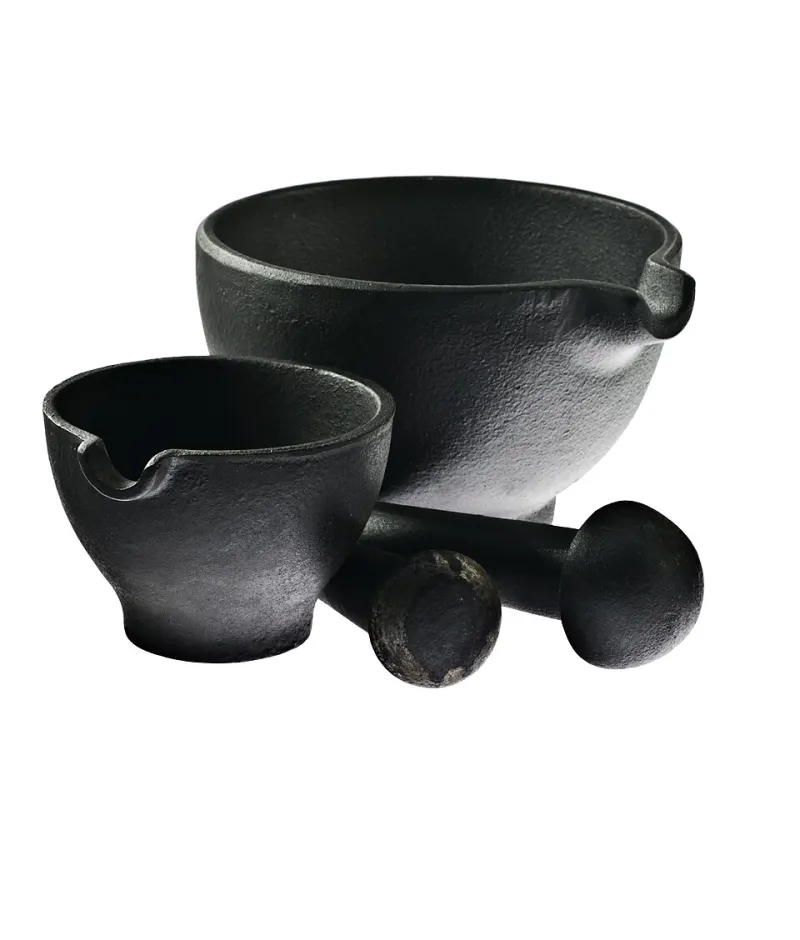
Photo: Castle Brands Inc, CC BY-SA 3.0, via Wikimedia Commons
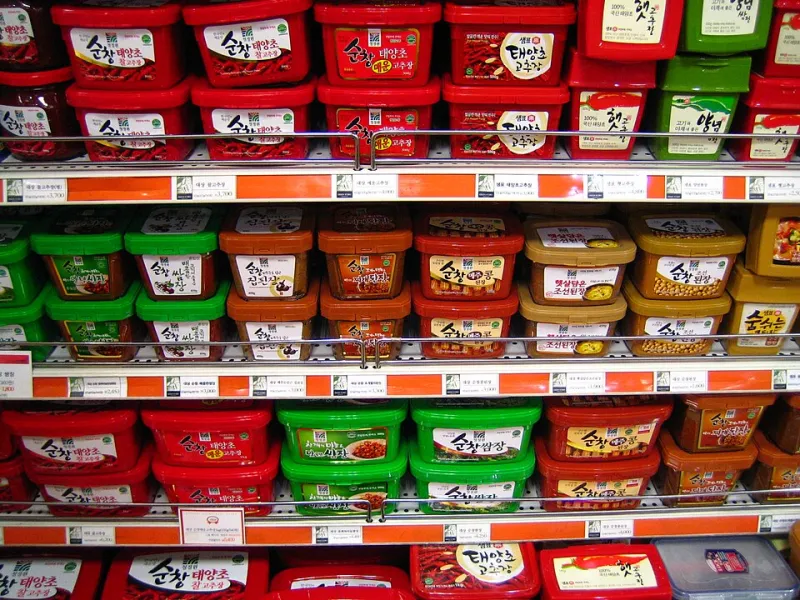
Walk down the hot sauce aisle at your average American grocery store and you'll find the usual suspects lined up like suspects in a flavor lineup: the big red rooster, the orange habanero squeeze bottle, the vinegary Louisiana staple. They're fine. They do the job. But for a growing number of heat enthusiasts across the country, "fine" stopped being good enough a while ago.
More and more home cooks — the kind who genuinely care about Scoville ratings, pepper provenance, and fermentation timelines — are bypassing retail shelves altogether. They're going direct: ordering from small-batch hot sauce makers, joining pepper CSAs (Community Supported Agriculture boxes), hunting down growers at regional farmers markets, and plugging into tight-knit online communities where someone always knows a guy who grows Chocolate Bhutlahs in their backyard in New Mexico.
This isn't just a niche hobby anymore. It's reshaping how passionate cooks think about sourcing heat.
What's Actually Wrong With the Supermarket Shelf
Let's be honest about something first: the problem with supermarket hot sauce isn't always the heat level or even the flavor. It's what happens to a product on its way to that shelf.
Large commercial brands are formulated for shelf stability, mass appeal, and nationwide distribution. That means longer fermentation is often skipped or shortened, fresh pepper character gets cooked out, and sodium or vinegar gets cranked up to compensate. By the time a bottle of "artisan" hot sauce has been sitting under fluorescent lights for three months, a lot of what made it special in the first place has faded.
Small-batch producers, on the other hand, are often making hot sauce the way home cooks wish they could: slow-fermented mash, single-origin peppers, no fillers, and real attention paid to the finish. When you order directly from a producer in Georgia or a pepper farm in California's Central Valley, you're getting something that was made recently and shipped fast — not warehoused and forgotten.
The Rise of the Pepper Subscription Box
One of the biggest drivers of this direct-to-consumer shift is the subscription model. Services like Heatonist, Fuego Box, and a growing number of smaller regional operations now deliver curated selections of hot sauces and dried peppers straight to your door every month. Some are broad in scope; others are hyper-focused — only fermented sauces, only single-pepper expressions, only products from Black-owned producers.
For the home cook who doesn't know what they don't know yet, these subscriptions are a genuine education. You're not just buying a product — you're getting introduced to producers you'd never find on your own, peppers you've never heard of, and flavor profiles that genuinely expand your cooking vocabulary.
And the community aspect matters. Most subscription services include tasting notes, recipe ideas, and producer spotlights. It starts to feel less like a grocery purchase and more like a conversation with people who are as obsessed with heat as you are.
Farmers Markets as the Original Direct Channel
Before subscription boxes were a thing, there were farmers markets — and they remain one of the best places to score genuinely exceptional chili peppers and locally made hot sauces.
In cities like Portland, Austin, Denver, and Chicago, weekend markets regularly feature pepper growers who are bringing in varieties you simply won't find at Whole Foods: Aji Amarillo, Peri Peri, Datil, Scorpion, Manzano. Some growers will let you taste before you buy. Others will tell you exactly how they grow, what soil amendments they use, and which peppers are particularly hot this season because of the dry summer.
That kind of information is genuinely useful if you're cooking seriously with heat. Knowing that your Habaneros ran hotter than usual this year means you adjust your recipe. A supermarket label will never tell you that.
Local hot sauce makers at farmers markets also tend to be far more willing to talk shop. Ask them about their fermentation process and you might get a 20-minute conversation and a free sample of something they're still experimenting with. That's a relationship no retail shelf can replicate.
Online Communities Are the New Sourcing Network
Reddit's r/spicy and r/HotPeppers communities, Facebook groups dedicated to pepper growing, Discord servers for fermentation nerds — these are where a lot of the real sourcing intel lives. Someone posts a photo of a stunning batch of Peach Ghost Peppers and within an hour, three people in the comments have tagged a grower who ships fresh pods nationwide.
Sites like The Hippy Seed Company, Refining Fire Chilis, and various Etsy sellers have built real followings by word of mouth within these communities. They're not advertising on Instagram or running Google Shopping campaigns. They're just making excellent product and letting enthusiasts spread the word.
For home cooks willing to do a little digging, these communities are an absolute goldmine. You'll find fresh pods, dried whole peppers, smoked flakes, and fermented mash that you'd never stumble across any other way.
The Cost Question Nobody Wants to Skip
Here's where we have to be real: going direct is often more expensive per unit than buying a mass-market bottle off a shelf. A small-batch hot sauce from an artisan producer might run you $12 to $18 for five ounces. The big rooster brand? Maybe $4 for the same amount.
But the comparison isn't quite apples to apples — or peppers to peppers. When you're buying direct, you're typically getting a more concentrated, more complex product that you use differently. You're finishing a dish with a few drops of something exceptional rather than drowning wings in a cheap base sauce. The per-serving cost gap closes considerably when you think about it that way.
Subscription boxes can also offer real value if you treat them as a discovery mechanism. Find a producer you love through a subscription, then order directly from them going forward and cut out even the subscription markup.
Making the Switch Without Going Overboard
You don't have to overhaul your entire pantry overnight. A good starting point is replacing just one category — say, your everyday finishing sauce — with something sourced directly from a small producer. Give it a month. See if you notice the difference in your cooking.
From there, try adding a farmers market pepper pickup to your routine when the season is right (late summer through fall is peak in most of the US). Experiment with ordering a sampler from an online producer you've seen mentioned in a community you trust.
The goal isn't to become a hot sauce snob who can't eat at a restaurant because they didn't bring their own bottle. It's to get more out of the heat you're already cooking with — and to support the growers and makers who are genuinely pushing the craft forward.
Your spice cabinet deserves better than what the grocery store is offering. Turns out, so do you.