Fresh, Dried, Frozen, or Dead: The Real Shelf Life of Every Pepper in Your Collection
Let's be honest about something uncomfortable: that jar of ancho powder sitting in the back of your spice cabinet since 2021 is not doing your cooking any favors. Neither is that vacuum-sealed bag of dried chiltepíns you ordered online eight months ago and promptly forgot about. Chili peppers, in every form they come in, have a lifespan — and when they cross that line, you're not just losing flavor. You're losing the heat you paid for.
This is the part of the chilihead hobby nobody talks about enough. Everyone's excited to source the rarest varieties, build the perfect storage setup, and experiment with fermentation. But the unglamorous truth is that even the most carefully curated pepper collection degrades over time. Capsaicin breaks down. Essential oils evaporate. Moisture sneaks in where it shouldn't. What was once a face-melting dried ghost pepper becomes a sad, faintly spicy raisin.
Here's a form-by-form breakdown of how long your peppers actually last, what kills them faster, and how to run a quick test before you ruin a whole pot of chili with something that's past its prime.
Fresh Peppers: The Two-Week Clock
Fresh chili peppers are the most time-sensitive form in your arsenal. Left at room temperature on the counter, most varieties — jalapeños, serranos, fresno chiles — will hold for about a week before the skin starts wrinkling and the flesh goes soft. Once you see that wrinkling, the clock is almost up.
Refrigerated, fresh peppers extend to roughly one to three weeks depending on the variety. Thicker-walled peppers like poblanos and bells tend to hold longer than thin-skinned Thai chiles or shishitos. Store them loose in the crisper drawer, not sealed in a plastic bag where trapped moisture accelerates rot. The ideal temperature range is 45–50°F — colder than that and you risk chilling injury, which shows up as pitting, soft spots, and accelerated decay once you bring them back to room temp.
The warning signs are obvious: sliminess, dark soft patches, mold, or a fermented smell that you didn't intend. If the stem end is starting to wrinkle but the pepper still feels firm and smells fresh, you've still got a day or two.
Dried Whole Peppers: Longer Than You Think, But Not Forever
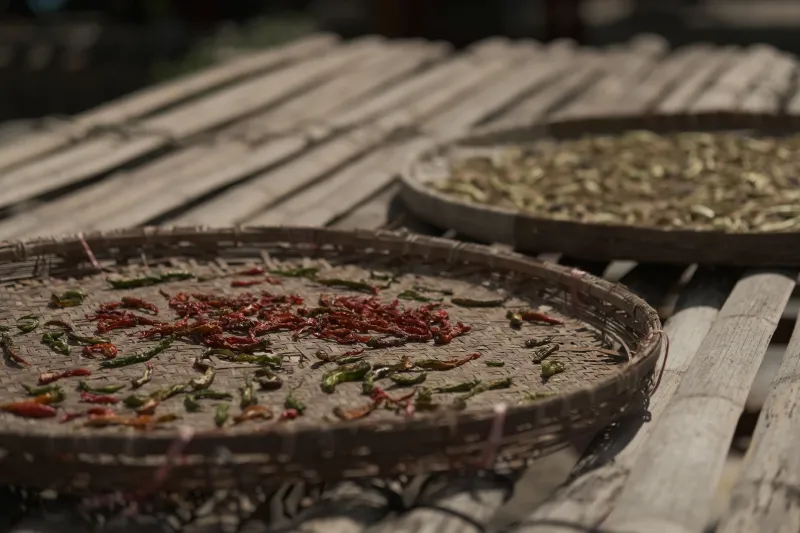
Properly dried whole chili peppers — anchos, guajillos, pasillas, dried red chiles de árbol — are shelf-stable for up to a year when stored correctly. That means a cool, dry, dark spot in an airtight container. Not the hook above your stove where heat and humidity cycle through constantly. Not a mesh bag hanging decoratively in a sunny window.
After about 12 to 18 months, dried whole peppers don't become dangerous to eat, but they lose a significant amount of their aromatic compounds. The complex, fruity, smoky notes that make a good dried pepper worth tracking down start to flatten out. The heat often fades too, though this varies by variety — capsaicin itself is fairly stable, but when the oils and sugars that carry flavor degrade, even the heat can feel thin and one-dimensional.
A simple freshness test: snap a dried pepper. A good one should be pliable and slightly leathery, not rock-hard and brittle. Brittle means over-dried and likely old. Smell it — you should get a rich, concentrated aroma. If it smells like cardboard or nothing at all, it's past its peak.
Chili Powders and Ground Spices: The 6-Month Rule Nobody Follows
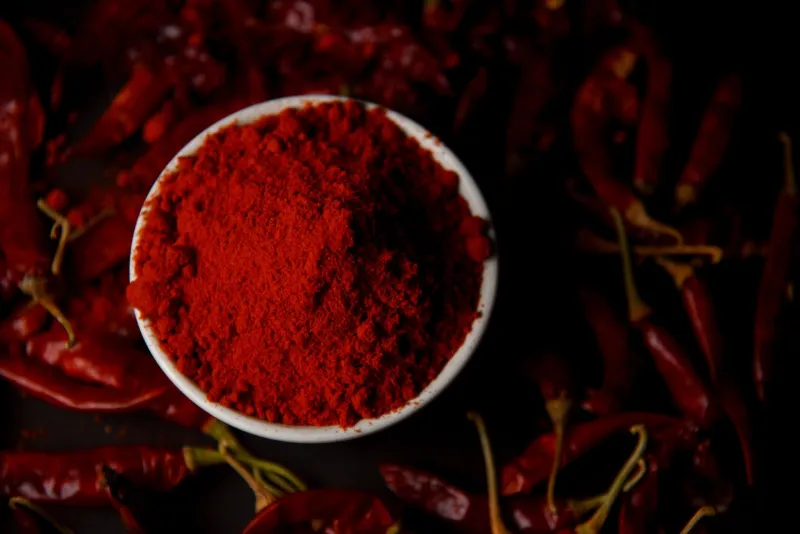
This is where most home cooks are silently suffering. Ground chili powder, cayenne, paprika, chipotle powder — the moment a pepper is ground, the clock speeds up dramatically. The increased surface area means volatile compounds escape faster, and oxidation gets to work immediately.
The honest answer is that ground chili powder is at its best within six months of opening, and starts noticeably declining after a year. Sealed, commercially packaged powders can last longer on the shelf — up to two years if stored in a cool, dark pantry — but once you crack that lid, you're on a shorter timeline.
To test whether your powder still has life in it, rub a small pinch between your fingers and smell. Fresh chili powder hits you immediately — bright, pungent, sometimes fruity or earthy depending on the variety. Stale powder smells dull, dusty, or vaguely like old wood. You can also taste a tiny amount. If the heat and flavor bloom quickly on your tongue, you're good. If it tastes flat and faintly papery, it's time to restock.
Store ground powders in airtight glass jars away from heat sources. Never keep them next to the stove.
Frozen Peppers: Your Best Bet for Long-Term Storage
Freezing is genuinely underrated in the pepper world. Fresh chili peppers freeze well and can maintain their heat and flavor for up to a year in a standard home freezer — longer if you're using a deep freeze. The texture changes after thawing (they go soft and are no longer suitable for fresh eating), but for cooking purposes, a frozen habanero is nearly indistinguishable from fresh in a sauce, stew, or salsa.
The key is prep before freezing. Wash, dry thoroughly, and freeze in a single layer on a baking sheet before transferring to airtight bags. This prevents clumping and makes it easy to grab individual peppers. Remove as much air as possible from the storage bag — a vacuum sealer is ideal if you're serious about it.
Degradation in frozen peppers usually comes from freezer burn rather than time. Look for white, papery patches on the skin as the warning sign. Those spots will taste bland and slightly off. If you're seeing significant freezer burn, the pepper isn't ruined, but you'll want to trim those sections and adjust your recipe accordingly.
Fermented Peppers: The Long Game
Fermented chili products — lacto-fermented pepper mashes, homemade hot sauces, fermented pastes — operate by a different set of rules entirely. The fermentation process itself is a preservation mechanism, and properly fermented peppers can last months to over a year refrigerated.
The caveat is monitoring. Once fermentation is complete and you've moved the product to cold storage, you're looking for signs of kahm yeast (a harmless but unpleasant white film), off smells beyond the expected tangy funk, or unusual discoloration. Properly fermented peppers should smell sharp, sour, and intensely peppery — not rotten, sulfurous, or musty.
Heat levels in fermented products can mellow over time as capsaicin interacts with the acidic environment, so if you're after maximum punch, use fermented peppers within the first few months of completion.
The Bottom Line
Building a serious pepper collection is a commitment, and part of that commitment is being honest about what's still worth using. Run the smell test. Check your dates. Taste before you cook. A degraded pepper doesn't ruin a dish dramatically — it just makes it worse in ways you can't quite identify, and that's a frustrating way to cook.
Rotate your stock, buy in quantities you'll actually use within a reasonable window, and store everything like it matters — because it does. Your cooking is only as good as your ingredients, and that jar of cayenne you've had since the Obama administration is not pulling its weight.