The Lime Doesn't Lie: Fixing Flat Chili With Acid, Not More Heat

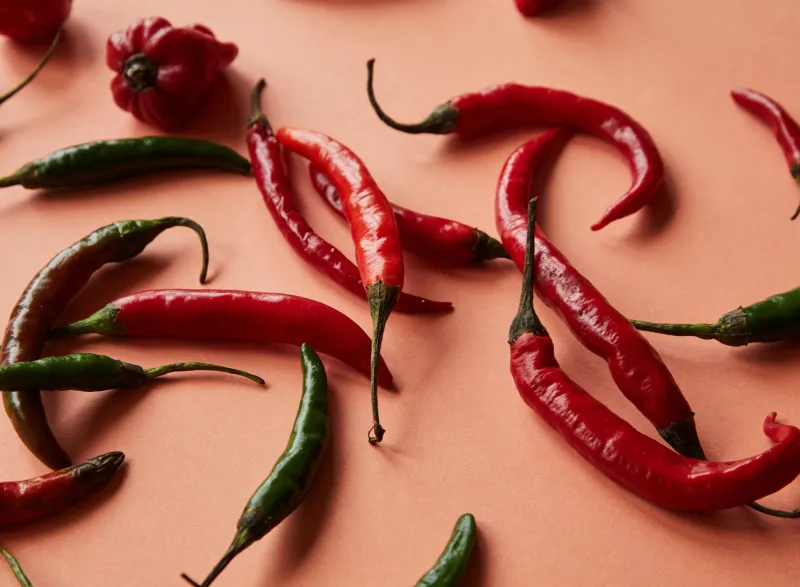
Photo by Photo by Sven Alex on Unsplash on Unsplash
Flat chili is a specific kind of disappointment. It is not too hot, not too salty, not too thick. It just sits there. You add more chili powder. You add more salt. You add another dash of hot sauce. Nothing changes. That is usually the moment when a cook should stop reaching for heat and start reaching for acid.
Heat Is Loud. Acid Makes It Sing.
Capsaicin, the compound that makes chili peppers feel hot, does not have a flavor. It triggers a sensation. Acid does something different: it adds brightness, cuts richness, and changes how quickly you notice the other flavors in the bowl. A squeeze of lime on a rich pork chili does not neutralize the heat. It gives your mouth a reason to keep tasting. That is why a chili that tastes muddy at noon can taste alive after a hit of vinegar at dinner.
What Acid Actually Does, and Does Not Do
Acid does not lower the Scoville rating of your food. It does not wash capsaicin away. What it does is shift attention. A little acid makes salty, savory, and sweet notes more distinct, and it can make a heavy dish feel lighter. Too much acid will do the opposite: it will make the whole pot taste sharp and one-note. The goal is balance, not a vinegar festival.
Four Acid Moves, Four Jobs
Vinegar
Vinegar is the workhorse. Distilled white vinegar is clean and aggressive. Apple cider vinegar brings fruit and a little sweetness. Red wine vinegar is sharper and works well in beef chili. Rice vinegar is softer and good for salsas and noodle dishes. Start small. A teaspoon at a time is enough for most home pots.
Citrus
Lime is the default for a reason. It is bright, floral, and friendly with cilantro, cumin, and chile. Lemon is sharper and works better with chicken and seafood. Orange juice is not a substitute for acid in the same way, but a little orange zest plus lime juice can add a rounded citrus note to a smoky chili.
Fermented Ingredients
Hot sauce, kimchi brine, sauerkraut juice, and fermented chili paste all bring acid plus salt plus funk. They are efficient fixers, but they are not neutral. If your chili already tastes salty, use plain vinegar or citrus instead. If it tastes flat and boring, a spoonful of fermented chili paste can wake it up fast.
Yogurt and Other Dairy
Yogurt, sour cream, and crema bring lactic acid and fat at the same time. That combination softens the edge of capsaicin and adds a cool, tangy finish. A dollop on top of a bowl is not just a garnish. It is a balance tool. Stir it in at the end, off the heat, so it does not curdle.
Tasting Cues: Is It Flat, Muddy, or Just Hot?
Flat means the chili tastes like salt and heat but nothing else. Muddy means the flavors are heavy and blurred, usually from too much fat or too many dried spices. Just hot means the capsaicin is doing all the talking. Acid helps with flat and muddy. It helps with just hot only if the dish also has enough body and salt. If the chili is thin and watery, acid will make it taste sour. Add body first: beans, meat, pureed vegetables, or a little masa slurry.
Ratios to Start With
For a quart of soup or chili, start with one teaspoon of vinegar or two teaspoons of lime juice. Stir, wait thirty seconds, and taste. If the flavor is still closed, add another teaspoon. Stop when the chili tastes brighter but not sour. For a cup of salsa, start with half a teaspoon of lime juice or a quarter teaspoon of vinegar. For a cup of sauce, start with a quarter teaspoon of vinegar and adjust. For a marinade, use acid as a supporting player: one part acid to three parts oil or yogurt, not one to one.
Fixing Soups and Stews
Add acid at the end, after the chili has finished simmering. Vinegar added early can cook down and taste harsh. If you are using citrus, add it off the heat and taste again after five minutes. A bowl of chili that tastes flat after an hour of simmering often needs nothing more than a teaspoon of cider vinegar and a squeeze of lime at serving time.
Sauces and Salsas
Salsas are more forgiving because they are supposed to be bright. Start with lime juice and salt, then add heat. If the salsa tastes watery, drain the tomatoes a little before adding more acid. If it tastes bitter, a pinch of sugar can help, but acid usually fixes the dullness faster than sugar fixes the bitterness. For cooked sauces, add vinegar in small drops and stir constantly. You can always add more. You cannot take it out.
Marinades
Acid in a marinade does two jobs: it carries flavor and it starts to break down protein. Too much acid will make chicken or fish mushy. Use citrus or vinegar at about ten to fifteen percent of the marinade volume, and keep the marinade time short for delicate proteins. For beef and pork, a little more acid is fine, but the goal is still flavor, not a chemical bath.
The Rule of Small Additions
The next time a pot of chili tastes like it is missing something, do not reach for the chili powder first. Taste a spoonful. Ask whether it is flat, muddy, or just hot. Then add acid in tiny amounts, stir, and taste again. The lime does not lie. If the chili suddenly tastes like more than the sum of its parts, you found the missing piece.