Chili Crisp Isn't a Hot Sauce: Stop Treating It Like One

Photo by Photo by Fenghua on Unsplash on Unsplash
Chili crisp has a branding problem, and it is not the label on the jar. It is the way we reach for it. Somewhere between the first jar of crunchy chili oil and the fifth, a lot of us started treating chili crisp like hot sauce: shake it on at the table, expect an instant kick, and wonder why the dish tastes oily instead of electric. Chili crisp is not a hot sauce. It is a texture-forward condiment with a warm, aromatic bass line. Use it like a finishing ingredient and it will make your cooking feel sharper. Use it like a liquid heat source and you will shortchange the jar and the food.
First, What Chili Crisp Actually Is
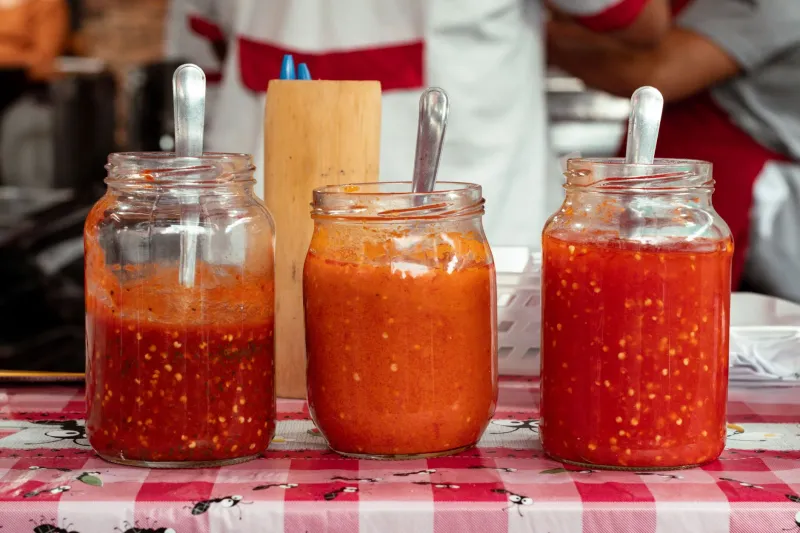
A good chili crisp is mostly oil, but the oil is carrying more than heat. It holds toasted chili flakes, fried garlic or shallot, sesame, maybe peanuts or soybeans, and salt. The heat is usually moderate and slow-building. The crunch is the point. So is the savory, roasted, slightly sweet depth that comes from aromatics cooked in oil. Vinegar-based hot sauce is thin, bright, and acidic. It hits the front of your tongue and fades. Chili crisp coats, crunches, and lingers. They are both spicy condiments, but they are not interchangeable.
The Hot Sauce Habit Is the Problem
When you dash chili crisp over a delicate broth, a dressed salad, or a plate that is already oily, you are not adding heat so much as adding another layer of fat. The crunch might survive for thirty seconds. The flavor can get muddy. And because chili crisp is not very acidic, it cannot do the cleanup work that vinegar or lime juice does in a dish. If your food tastes flat and you add chili crisp, you may end up with flat food plus oil. That is not the jar's fault. It is a placement problem.
Where Chili Crisp Earns Its Keep
Noodles and Rice
This is home base. Toss chili crisp into warm noodles right before serving, not into the pot while everything is still cooking. The residual heat blooms the aromatics without frying the crunch out. Same with rice: stir a spoonful through a bowl of leftover rice with a fried egg, or use it as the oily base for a quick cucumber salad. The key is to let it sit on top or fold in at the end.
Eggs, Especially the Cheap Ones
A soft scramble, a fried egg, or a jammy boiled egg is a blank canvas for chili crisp. The fat in the egg carries the chili oil, and the salt in the crisp seasons the egg. Add it after cooking. If you add it to the pan at the start, the garlic and shallot bits can scorch and turn bitter.
Roasted Vegetables
Roast broccoli, cauliflower, carrots, or sweet potatoes until they are browned and a little crisp at the edges. Then spoon chili crisp over the hot pan and toss. The oil helps any dry spices cling, and the crunch contrasts with the soft vegetable. Do not drizzle it before roasting unless you want a smoky, oily sheet pan and a lower chance of crispness.
Dumplings and Dipping
Chili crisp is a dipping sauce ingredient, not a dipping sauce by itself. Mix it with black vinegar, soy sauce, and a little sesame oil for dumplings. Or stir it into peanut sauce for cold noodles. The crunch gives the dip body, and the aromatics do the heavy lifting.
Marinades and Rubs
Use chili crisp in marinades sparingly. The solids can burn on a hot grill, and the oil can flare. A better move is to use the oil from the jar as a finishing drizzle after cooking, or mix a spoonful into a yogurt marinade for chicken. If you want chili crisp flavor on grilled meat, brush it on during the last minute of cooking and keep the heat moderate.
When Chili Crisp Will Burn You
Chili crisp is not a high-heat cooking oil. The garlic, shallot, and chili flakes are already toasted. Put them in a screaming-hot pan and they will go from crunchy to carbonized fast. It also does not belong in delicate sauces where you want a clean, bright finish. And it will not fix a dish that needs acid, salt, or sweetness. If your chili tastes dull, taste it first. If it is missing brightness, reach for lime or vinegar before you reach for the jar.
A Simple Timing Rule
Use chili crisp at the end, on top, or off the heat. That is it. If a recipe calls for it in the cooking stage, add it late and keep the heat low. If you are using it as a condiment, put it in a small bowl so people can add their own. The jar stays cleaner, the crunch stays crisper, and nobody ends up with a pool of oil at the bottom of the bowl.
Storing the Jar Like You Mean It
Keep chili crisp tightly sealed and away from direct light. A cool pantry is fine for short-term use, but if your kitchen runs warm, the refrigerator will help the oil and solids stay fresh longer. Let it come to room temperature before spooning it out if the oil has solidified. Always use a clean, dry spoon. Water in the jar is the enemy of crunch.
The Takeaway
Chili crisp is a finishing move, not a heat dial. Treat it like a crunchy, savory garnish with a gentle burn and it will earn a permanent spot next to your stove. Treat it like hot sauce and you will keep wondering why the magic fades. The jar is not broken. The habit is.